For decades, lead-acid batteries have been widely used in automotive starting applications because of their reliability, affordability, and ability to deliver high starting current. However, increasing demands for longer service life, lower weight, improved efficiency, and better environmental performance have encouraged industries to explore alternatives to lead acid batteries.
Among the available technologies, sodium-ion, lithium-ion, and absorbent glass mat (AGM) batteries have attracted significant attention. Each technology offers different advantages depending on application requirements, operating conditions, and cost considerations. For automotive starting systems, selecting the right battery requires a careful balance between power output, durability, safety, and total ownership cost.
AGM Batteries: An Improved Version of Traditional Lead-Acid Technology
Absorbent Glass Mat (AGM) batteries are an advanced form of lead-acid battery designed to provide better performance than conventional flooded batteries. By using a fiberglass mat to hold the electrolyte, AGM batteries reduce leakage risks and improve vibration resistance.
One of the main advantages of AGM technology is its compatibility with modern vehicles equipped with start-stop systems. These vehicles require batteries that can handle frequent engine restarts and higher electrical loads. AGM batteries provide stronger cycling performance compared with standard lead-acid batteries, making them a common upgrade option.
However, AGM batteries still rely on lead-based materials, which limits their advantages in areas such as weight reduction and long-term sustainability. Their energy density is also lower compared with newer battery chemistries. For applications requiring frequent cycling, reduced maintenance, or lighter vehicle systems, users are increasingly considering newer alternatives.
Lithium-Ion Batteries: High Energy Density with Specific Requirements
Lithium-ion batteries are widely recognized for their high energy density, lightweight structure, and strong charging efficiency. These characteristics have made them popular in electric vehicles, portable electronics, and energy storage systems.
Compared with traditional lead-acid batteries, lithium-ion technology can reduce weight while providing higher usable energy capacity. This makes lithium-ion batteries attractive where space and weight are important considerations.
However, lithium-ion batteries also come with challenges. Automotive starting applications require batteries to deliver high bursts of current, operate reliably across temperature changes, and maintain safety under demanding conditions. Lithium-ion systems usually require battery management systems to monitor voltage, temperature, and charging conditions.
For certain vehicle applications, lithium-ion batteries can provide excellent performance, but they may require additional system considerations compared with traditional battery replacement solutions.
Sodium-Ion Batteries: A New Option Among Alternatives to Lead-Acid Batteries
Sodium-ion technology is emerging as an alternative solution that combines several benefits from newer battery chemistry with improved material availability. Instead of lithium, sodium-ion batteries use sodium-based materials, which are more abundant and provide another pathway for battery development.
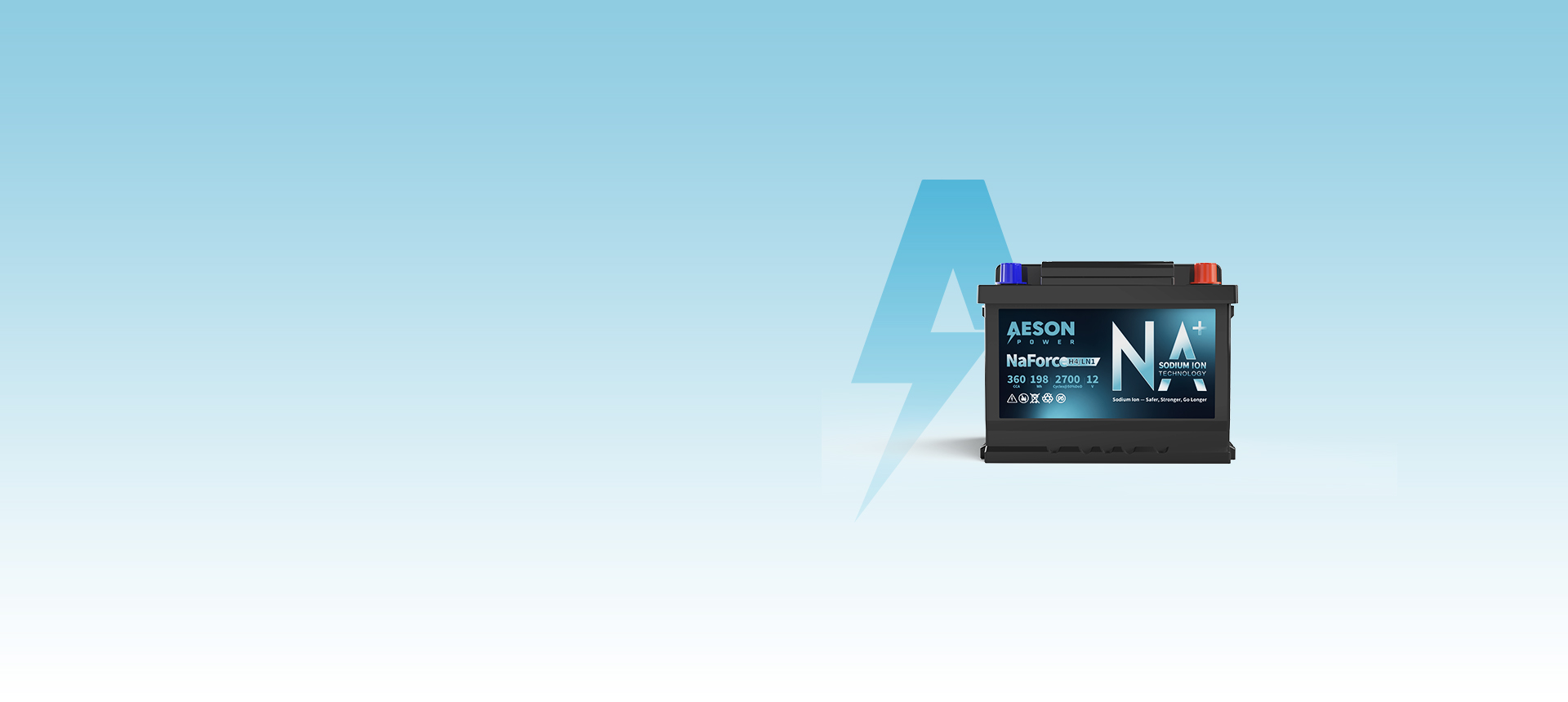
For automotive starting applications, sodium-ion batteries are designed to deliver strong starting performance, long cycle life, and improved safety characteristics. Aeson Power has developed sodium-ion starting batteries designed for passenger vehicles, commercial vehicles, and start-stop systems. These batteries are designed as replacements for various lead-acid and AGM battery specifications while maintaining compatibility with automotive applications.
A key advantage of sodium-ion batteries is their thermal stability. Engine compartments can experience high temperatures, creating challenges for traditional battery technologies. Aeson Power sodium-ion batteries are designed to operate in demanding temperature environments while maintaining stable performance.
Weight reduction is another important factor. Compared with traditional lead-acid batteries, Aeson Power sodium-ion batteries can reduce weight significantly, helping improve vehicle efficiency while simplifying installation and transportation.
Sodium-Ion vs Lithium-Ion vs AGM Battery Comparison
When comparing these three technologies, there is no single battery type that fits every situation. The right choice depends on the specific requirements of the vehicle or equipment.
AGM batteries remain a practical option for users who need proven technology, strong starting capability, and compatibility with existing automotive systems. They are especially suitable for vehicles already designed around AGM specifications.
Lithium-ion batteries provide excellent energy density and weight advantages. They are suitable for applications where reducing weight and maximizing stored energy are priorities. However, system integration and battery management requirements should be carefully considered.
Sodium-ion batteries offer a balance between performance, safety, and sustainability. They provide an alternative path for users looking to move beyond traditional lead-acid technology while maintaining automotive starting performance. Aeson Power sodium-ion batteries feature high cycle capability, fast charging characteristics, and maintenance-free designs for modern vehicle applications.
How to Choose the Right Battery Technology
Before replacing a traditional battery, several factors should be evaluated. The first consideration is compatibility. Battery dimensions, voltage, cold cranking performance, and charging requirements must match the vehicle system.
Operating conditions are also important. Vehicles used in extreme temperatures, frequent start-stop environments, or commercial applications may require batteries with stronger cycling ability and thermal stability.
Total cost should also be considered. While an advanced battery may have a higher initial purchase price, longer service life and reduced replacement frequency can improve overall value over time. Aeson Power highlights that longer lifespan and reduced maintenance requirements can contribute to lower ownership costs compared with conventional lead-acid options.
Conclusion
As demand for more efficient and durable energy solutions continues to grow, alternatives to lead-acid batteries are becoming increasingly important across automotive and industrial applications. AGM batteries provide a reliable improvement over traditional lead-acid technology, lithium-ion batteries deliver high energy density, and sodium-ion batteries introduce a new option focused on safety, durability, and material advantages.
For users evaluating the next generation of automotive starting batteries, understanding the differences between sodium-ion, lithium-ion, and AGM technologies is essential. With its sodium-ion battery solutions, Aeson Power provides an option designed to meet modern requirements for performance, reliability, and long-term value.