Digital entertainment platforms, creator networks, and affiliate operations scaling across borders encounter distinct financial friction. While standard online portals emphasize consumer credit card transactions, commercial enterprises handle complex multi-party fund flows. Financial decision-makers require robust gateway integrations that support high-volume collections alongside automated outbound distributions across multiple jurisdictions.
Corporate treasury departments must manage multi-currency accounting, regional clearing systems, and strict foreign exchange rules. Generic checkout software designed for retail shopping carts cannot accommodate high-velocity contractor payouts or service fee distributions. Choosing institutional payment infrastructure requires evaluating how integration architecture handles bulk disbursements, regional wallet access, and automated ledger reconciliation.
Structural Divergence Between Enterprise Gateways and Consumer Checkout
Retail acquiring setups focus on capturing single consumer purchases through card-processing networks. In contrast, commercial enterprises managing live streaming portals, mobile gaming networks, or digital performance agencies operate decentralized counterparty ecosystems. Their core financial challenge lies in collecting global ad earnings and distributing micro-commissions to independent streamers, creators, and media partners.
Operating an overseas creator agency involves sending thousands of small earnings payments each week. Standard merchant gateways impose heavy per-transaction fees, rigid checkout interfaces, and fragmented reporting that drain administrative resources. Deploying dedicated payment technology solutions allows commercial operators to automate programmatic payouts, verify recipient accounts, and manage multi-currency collections without operational friction.
Evaluating institutional payment gateway integration services requires looking beyond standard front-end payment widgets. Commercial ecosystems demand scalable payout APIs, automated payee validation tools, and reliable multi-currency collection capabilities. Implementing specialized infrastructure gives corporate finance teams continuous visibility over distributed cross-border transactions while maintaining tight operational governance.
Technical Architecture and Integration Workflows for High-Frequency Payouts
Modern engineering teams require flexible application programming interfaces that connect seamlessly with enterprise resource planning systems. Payout gateways must offer unified REST APIs alongside webhook event handlers that return real-time delivery status for every outbound payment. Clear technical documentation, sandbox testing environments, and responsive developer tooling help engineering departments prevent deployment delays.
High-frequency disbursement platforms require dual execution options to suit varied business workflows. Technical architectures must support programmatic API triggers for immediate on-demand payouts alongside scheduled bulk file uploads for periodic settlement cycles. Automated engines process thousands of payout instructions simultaneously, maintaining data integrity without introducing system latency during high-traffic campaigns.
Automated account pre-validation protects corporate capital by filtering defective transaction instructions prior to release. Intelligent gateway software validates beneficiary bank account numbers and domestic routing codes against national clearing directories. Detecting invalid routing numbers, dormant accounts, or unsupported currencies before files enter banking pipelines prevents expensive return fees and reduces administrative intervention.
Regional Clearing Rail Connectivity Across Southeast Asian Markets
Relying on legacy correspondent banking networks introduces severe friction into international payment operations. Traditional wire transfers move across multiple intermediary institutions, creating unpredictable fee deductions that deplete modest earnings intended for overseas contractors. Furthermore, standard international wires often require multiple business days to reach recipient accounts, frustrating local creators who expect prompt payment.
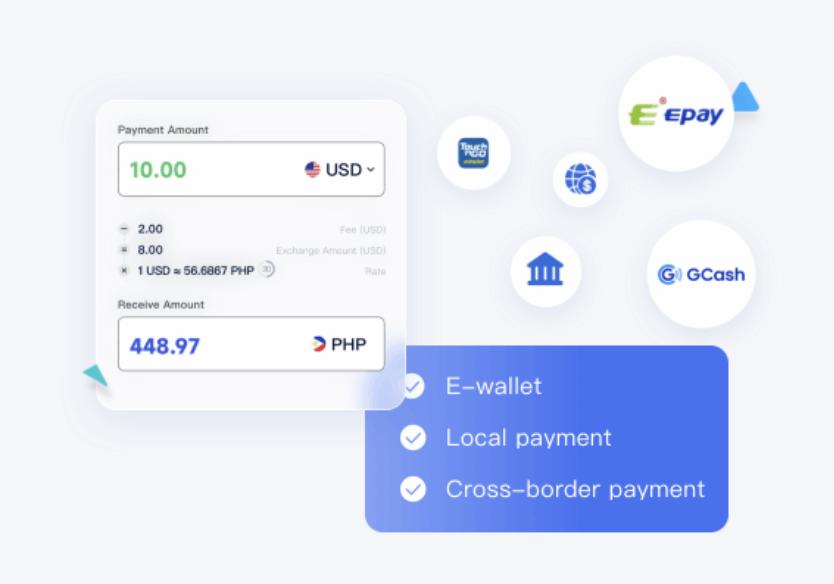
Integrating localized payment gateway integration services allows commercial platforms to connect directly with regional banking rails and domestic mobile wallets across Southeast Asia. Direct clearing through domestic networks in Indonesia, Malaysia, Thailand, Vietnam, and the Philippines stabilizes transfer timing. Bypassing intermediary correspondent deductions preserves the exact payout value intended for recipient partners.
Specialized providers such as Epay connect directly with domestic banks and digital wallet operators throughout Southeast Asian territories. Such direct-rail integration allows live streaming agencies and performance marketing networks to disburse funds straight into local accounts. Accommodating preferred regional payment methods satisfies local contractor preferences while granting treasury managers centralized oversight over distributed disbursements.
Treasury Management and Regulatory Service Trade Settlement
Treasury operations demand automated reporting mechanisms to support aggressive international expansion. Platforms managing overseas advertising campaigns or creator talent pools handle continuous cycles of incoming platform revenue and outgoing partner disbursements. Modern gateway portals consolidate multi-currency records into unified reporting feeds, exporting structured audit logs that synchronize directly with internal enterprise accounting software.
Cross-border digital enterprises face specific regulatory obligations when moving capital between international jurisdictions. Asian businesses expanding overseas must convert eligible foreign revenues into domestic currency through compliant banking procedures. Regulatory frameworks require clear documentation confirming that repatriated capital originates from genuine cross-border service trade activities rather than physical goods commerce or speculative personal remittances.
Compliant settlement channels operated by Epay support eligible digital enterprises in converting overseas service trade revenue into RMB through authorized banking channels. Establishing transparent transaction records linking incoming platform revenues with verified business activities protects commercial entities against regulatory exposure, facilitating smooth capital repatriation to eligible corporate accounts in mainland China.
Operational Execution: Auditing Payout Mechanics Before Production
Technical deployment requires evaluating operational edge cases rather than relying on standard vendor marketing claims. Development teams must test how prospective payment technology solutions handle connection drops, batch validation failures, and webhook retry logic during peak settlement windows. Simulating extreme transaction bursts reveals whether an integration can maintain sub-second acknowledgement rates without dropping payout records.
Granular permission controls define the operational difference between consumer-grade gateways and enterprise infrastructure. Engineering and finance departments require dual-custody authorization schemas, IP-restricted API key provisioning, and automated threshold alerts for anomalous payout volumes. Separating administrative setup roles from transaction release privileges prevents internal errors and blocks unauthorized credential alterations across distributed operational teams.
Finance directors vetting infrastructure can request a consultation with Epay to examine regional rail coverage, benchmark FX settlement margins, and stress-test batch payout pipelines against specific commercial volumes. Running targeted sandbox tests against actual recipient bank formats in target Asian markets identifies integration friction before code reaches production, establishing a dependable, compliant financial foundation for overseas expansion.