Selecting the correct material stiffness defines the success of any functional engineering or lifestyle design. While some structural projects require extreme rigidity to withstand heavy loads, other creative designs rely on bendability to function properly. Navigating the diverse landscape of 3D printing consumables allows makers to choose the exact level of elasticity needed for their specific applications.
Thermoplastics exhibit vastly different mechanical behaviors depending on their molecular chain structures. A material that feels stiff in a thick block might show surprising pliability when extruded as a thin, single-walled membrane. Understanding how these polymers deform under tension and compression helps designers select the best option for their projects.
Exploring the Mechanical Limits of Rigid Polymers
Rigid thermoplastics are primarily engineered to resist bending, twisting, and physical deformation under external loads. These materials feature tight, highly cross-linked molecular chains that keep the extruded layers firmly locked in place. Standard polymers work beautifully for static enclosures, structural brackets, and display models that must maintain precise dimensions.
Subjecting these rigid materials to extreme bending forces will inevitably lead to sudden, catastrophic structural failure rather than gradual deformation. They possess low elongation-at-break percentages, meaning they snap quickly when their physical limits are exceeded. Recognizing these mechanical limits prevents designers from using brittle plastics for high-impact applications.
The Surprising Yield Behavior of Standard Polylactic Acid
Standard PLA filament is widely recognized for its impressive rigidity, high tensile strength, and user-friendly printing properties. Under normal load conditions, objects printed with this polymer show almost no flexing or bending. This structural stiffness makes it the go-to choice for detailed prototypes and delicate artistic carvings.
However, when extruded into ultra-thin structures or spring-like geometries, this organic polymer displays a surprising degree of springiness. While it cannot compare to true rubber-like elastomers, thin layers can bend slightly before reaching their plastic deformation threshold. This subtle flexibility can be leveraged for simple snap-fit joints and low-stress utility clips.
Understanding the Toughness of Copolyesters
Copolyesters present a fantastic middle ground for projects requiring a balance of impact resistance and moderate structural give. These materials can absorb physical shocks and flex slightly without breaking or showing stress marks. This moderate elasticity makes them highly popular for functional mechanical parts that endure repetitive use.
Unlike more brittle alternatives, copolyesters deform gradually under stress before finally failing, providing a safer wear cycle. This gradual yield behavior is highly beneficial for components like protective phone cases, mechanical linkages, and functional gears. Incorporating these materials into a workflow bridges the gap between hard plastics and soft elastomers.
Navigating the Elastic World of Thermoplastic Polyurethanes
Thermoplastic polyurethanes represent the pinnacle of true flexibility and high elasticity within the desktop manufacturing space. These specialized elastomers can stretch repeatedly to several times their original length without experiencing permanent deformation. Their high elongation-at-break percentage makes them ideal for mimicking real rubber or soft silicone.
Varying the internal infill density and wall thickness allows operators to customize the final squishiness of the printed part. A solid infill yields a tough, highly durable bumper, while a sparse infill produces a soft, squeezable cushion. These unique properties unlock endless possibilities for gaskets, tires, and wearable designs.
Deciding Between Shore Hardness Ratings for Soft Projects
Flexible elastomers are scientifically classified and compared using the standardized Shore hardness scale. Most flexible printing spools fall into categories ranging from soft rubber to semi-rigid elastomers. Lower ratings indicate a softer, more flexible material that requires a specialized extruder setup to feed smoothly.
Higher ratings offer a stiffer elastomer that is easier to print on standard bowden-tube machines. These slightly firmer filaments provide excellent impact resistance while maintaining a comfortable amount of physical bend. Matching the Shore rating to the capabilities of the printer supports a successful fabrication process.
Leveraging Vibrant Color Options for Sporting Designs
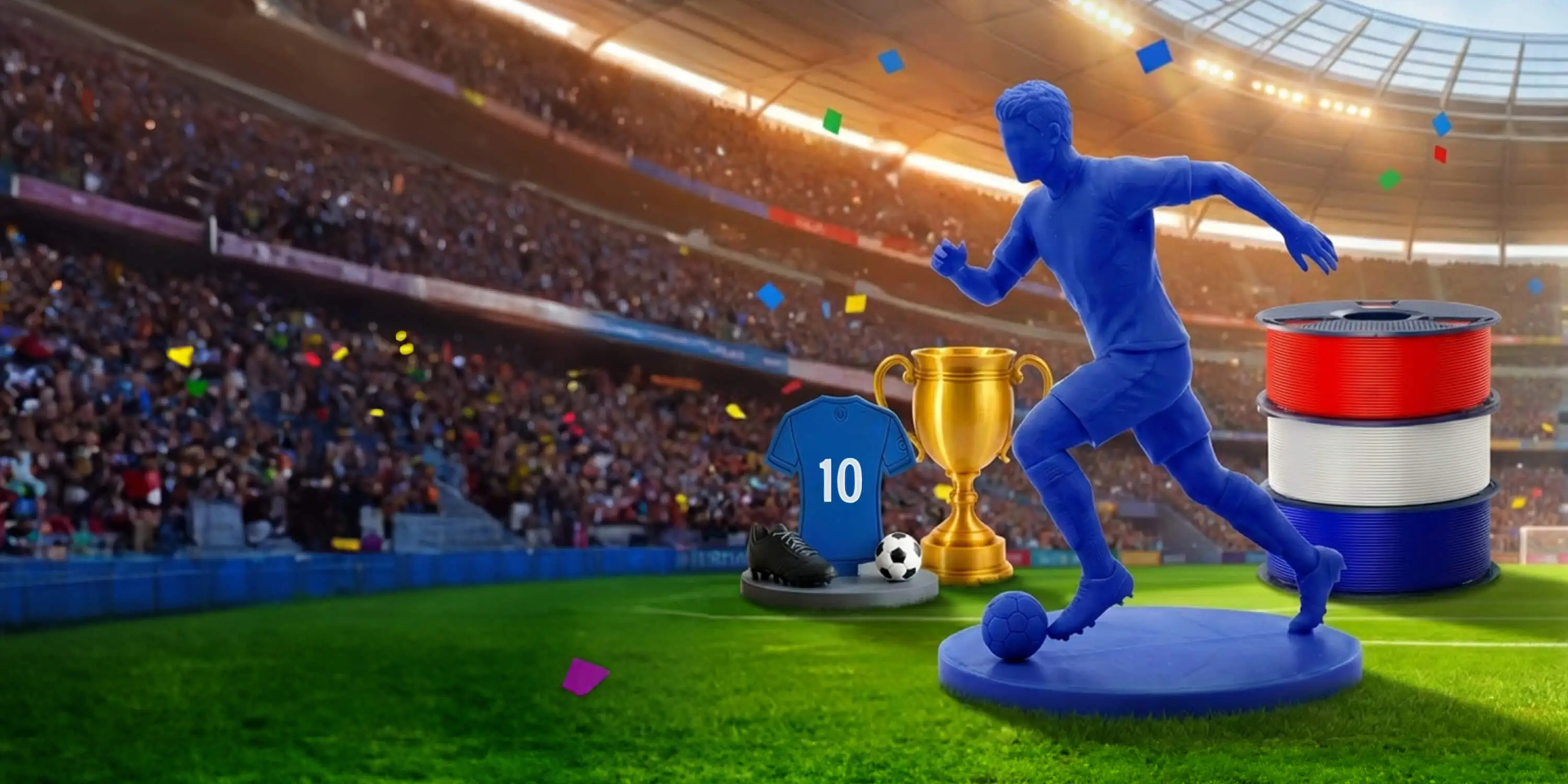
Integrating high-quality materials with beautiful aesthetics elevates the appeal of functional, flexible, and rigid models. The development team at SUNLU provides a massive palette of vibrant color options across their entire material catalog. This extensive color range allows creators to produce visually striking football-themed prints that showcase team colors and creative color combinations.
Using these diverse colors, makers can craft custom fan accessories and match-day props to support their favorite teams. The thermal stability of these polymers ensures that the printed colors remain bright and resistant to outdoor exposure. Beautiful aesthetics turn basic functional prototypes into eye-catching, professional-grade lifestyle products.
Designing Football-Themed Lifestyle Products and Decor
The creative application of various material flexibilities extends easily into home styling and personal organization. Combining rigid structures with soft, flexible accents allows for the creation of unique, multi-material household items. Designers can easily craft football-themed lifestyle products that merge durability with everyday practical utility.
Creative desk decorations and collectibles, such as customized phone stands and gear shaped like mini stadiums, look excellent on any shelf. For larger projects, the high dimensional stability of the polymer allows for printing large-scale football-inspired display pieces. These detailed models retain their shape and color over long periods of display.
Optimizing Extruder Hardware for Flexible Materials
Printing highly flexible elastomers requires specific hardware considerations to prevent the soft strand from buckling. Standard dual-drive extruders with a tightly constrained filament path are highly recommended for soft polymers. This tight pathway prevents the thin, elastic cord from wrapping around the drive gears during retraction.
Reducing the overall printing speed to around twenty to thirty millimeters per second ensures a stable, uniform flow. Keeping the heated print bed at a moderate temperature improves initial layer adhesion without causing the soft base to melt or warp. These simple hardware adjustments turn challenging flexible projects into highly repeatable successes.
Conclusion
Understanding the vast spectrum of material flexibility empowers creators to select the ideal polymer for any physical task. Whether utilizing rigid PLA filament for detailed desk decorations or soft elastomers for functional gaskets, proper material selection is crucial. Relying on the diverse color selections from SUNLU ensures that every project achieves both structural success and outstanding visual appeal.