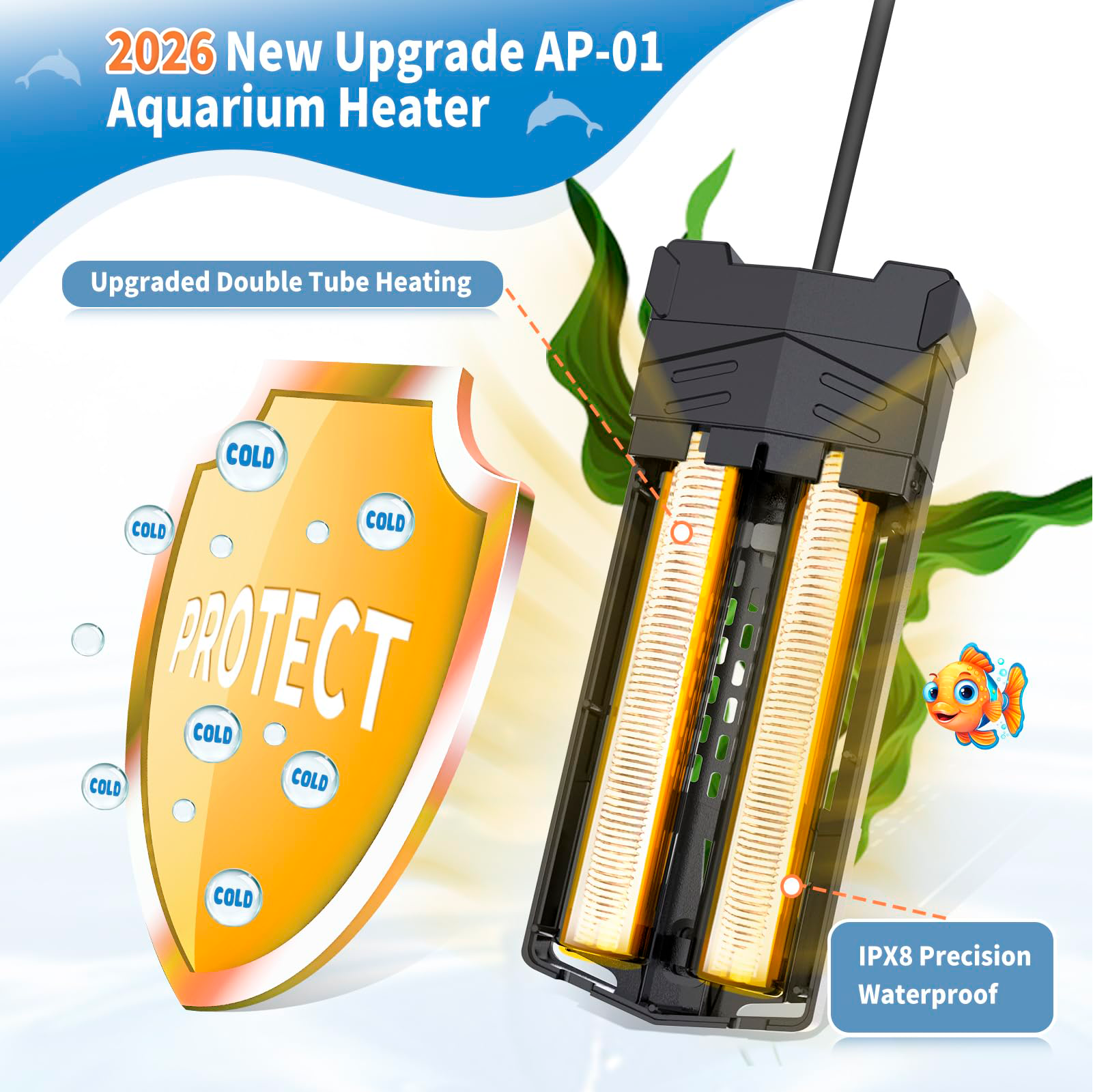
Navigating aquatic safety concerns often leaves new fishkeepers asking a common question: are glass aquarium heaters safe for home displays? Modern thermal equipment from HiTauing utilizes high-grade materials that mitigate many historical hazards associated with submerged glass electronics. For added peace of mind, pairing a glass heater with an external thermostat controller or a protective heater guard sleeve further reduces the risk of physical damage and ensures failsafe shutdown in case of abnormal temperature spikes.
Understanding glass heater safety requires examining both structural engineering and daily operational habits. While early heating tubes suffered from fragility, modern high-strength glass constructs withstand standard water pressure and thermal stress. Installing a reliable aquarium heater creates a stable environment while maintaining complete electrical protection.
The Science Behind Modern Glass Engineering
Modern manufacturing relies heavily on explosion proof quartz glass and borosilicate formulations rather than standard window glass. Quartz material exhibits a remarkably low thermal expansion coefficient, allowing it to endure rapid temperature variances without fracturing under normal operating conditions.
Double-tube heating element designs further enhance structural integrity by distributing thermal loads across multiple heating paths. Utilizing high-density quartz sand insulation around internal heating wires buffers structural walls from localized hot spots, dramatically lowering structural failure risks.
Identifying Common Causes of Casing Failure
Despite advances in structural materials, improper handling remains a primary contributor to casing damage. Exposing an active heating tube to open air causes rapid surface heating, creating extreme internal thermal pressure that threatens structural integrity. To minimize handling risks, always disconnect the heater from the power source and allow it to cool completely in the water for at least 15 minutes before removing it for cleaning or maintenance.
Pouring cold water directly over a hot submerged heating element during routine water changes generates severe thermal shock. Micro-fractures created by accidental substrate collisions or energetic fish impacts also weaken structural walls over time, leading to eventual seal failure.
Essential Safety Protocols for Beginner Fishkeepers
Adhering to basic handling guidelines preserves hardware integrity and protects aquatic livestock. Beginners who wonder whether glass aquarium heaters are safe should practice a few essential installation habits.
- Unpack new hardware and inspect outer casings thoroughly for hairline cracks before immersion.
- Submerging heating elements completely below minimum water lines prevents exposed dry-burning.
- Disconnect electrical supply twenty minutes prior to executing routine water changes to allow natural cooling.
- Position heating elements in high-flow currents to promote efficient heat dissipation across the tank.
Applying these straightforward operational habits minimizes accidental damage during routine maintenance. Proper placement keeps electrical components operating within intended thermal tolerances.
Advanced Temperature Controls and Material Standards
Modern thermal units integrate microprocessors to monitor parameter changes continuously. Incorporating an Upgrade AP01 heater (300W–1000W models) with intelligent IC chip controller delivers accurate thermal monitoring while maintaining stable parameter ranges.
Visual status indicators allow keepers to check operational modes at a glance. Operating this same heater gives aquarists clear LED color shifts, confirming active heating or target temperature maintenance without requiring manual probing.
Choosing gear manufactured to strict international testing standards provides further peace of mind. High-grade construction materials combined with automated current interrupters protect both home circuits and delicate aquatic species. Routine performance audits of these smart heaters—including sensor response tests and calibration against a certified reference thermometer—help sustain the precision that sensitive reef invertebrates and breeding cichlids demand over multiple seasonal cycles.
Recognizing Warning Signs and Replacement Timing
Internal moisture accumulation or visible condensation inside a heating tube indicates compromised rubber seals. Operating a compromised heating element introduces electrical currents into aquatic environments, requiring immediate device retirement.
Inaccurate temperature regulation or erratic LED display behavior points to internal sensor degradation. Replacing aging components before complete failure occurs preserves ecosystem stability and prevents sudden parameter swings.
Reviewing engineering guidelines About HiTauing product lines offers clear insight into structural safety standards. Exploring documentation About HiTauing hardware development assists keepers in making informed choices regarding aquatic heating equipment.
Accessing Technical Guidance and Support
Selecting reliable heating hardware engineered by HiTauing provides long-term operational security for freshwater and marine displays.
To learn more About HiTauing aquatic products or review safety certifications, visit the primary brand website. Utilizing the Contact Us portal connects hobbyists and commercial clients directly with technical support representatives. For customized procurement or warranty inquiries, use the Contact Us section.
Conclusion
Understanding glass heater safety relies on recognizing modern material advancements alongside practicing correct handling habits. Utilizing high-strength explosion proof quartz glass ensures long-term reliability while mitigating physical breakage risks.
Evaluating whether glass aquarium heaters are safe ultimately reveals that proper immersion techniques and routine maintenance protect aquatic inhabitants effectively.To explore technical specifications or review product documentation, visit the Contact Us page on official brand channels.
About HiTauing
With over 20 years of expertise in aquarium equipment, we deliver reliable, innovative solutions trusted by clients in 50+ countries. Our ISO9001 certified products, global certifications, and end-to-end support make us your ideal partner for aquatic success.