A candidate drug can complete a preclinical PK study and still leave researchers with unanswered questions if the bioanalytical method is not designed correctly. Drug concentration data is only meaningful when the assay can accurately detect the compound at expected exposure levels, distinguish it from interfering substances, and remain consistent throughout sample analysis.
This becomes especially important when PK results are used to guide dose selection and prepare IND documentation. An assay that requires redesign after testing begins may lead to repeated analysis, delayed data interpretation, and additional regulatory concerns.
For this reason, preclinical bioanalytical testing services involve much more than measuring drug concentrations. Fit-for-purpose assay development, validation strategy, and sample analysis procedures determine whether preclinical PK data can provide the accuracy needed for further drug development decisions.
Bioanalytical Methods Determine the Value of Preclinical PK Data
PK studies generate information about how a drug candidate behaves in biological systems, but the usefulness of that information depends on the analytical method behind the measurements. If an assay cannot accurately quantify drug levels, the resulting PK profile may not reflect the true exposure of the compound.
During preclinical development, analytical methods must match the characteristics of the investigational product and the objectives of the study. Factors such as molecular structure, expected concentration range, sample matrix, and detection requirements all influence assay design.
For example, a method that performs well at high concentrations may not provide reliable results when measuring low drug levels during later sampling points. Similarly, compounds with complex biological interactions may require additional evaluation to ensure that measured concentrations accurately represent the active substance.
Within broader preclinical research services, bioanalytical planning is therefore closely connected with study design, PK interpretation, and regulatory preparation.
Fit-for-Purpose Assay Development Sets the Analytical Foundation
Method development begins with defining what the assay needs to achieve. A fit-for-purpose approach does not mean applying the same analytical method to every program; instead, it focuses on creating a procedure suitable for the specific compound, study stage, and intended use of the data.
During assay development, scientists evaluate important characteristics such as sensitivity, selectivity, accuracy, and precision. Sensitivity determines whether the method can detect expected drug concentrations, while selectivity helps ensure that other components in biological samples do not interfere with measurement.
The development process also considers practical factors, including sample volume, storage conditions, and analysis requirements. These decisions can influence whether PK data is generated smoothly or whether additional analytical adjustments are needed later.
A suitable assay established at an early stage can reduce unnecessary troubleshooting during sample analysis and provide a more predictable timeline for generating critical development data.
Method Validation Confirms Analytical Reliability
After an assay has been developed, validation demonstrates whether the method consistently produces reliable results. Validation is an important step because regulatory decisions depend not only on the availability of data but also on confidence in how that data was generated.
Validation activities typically assess parameters such as accuracy, precision, selectivity, stability, and analytical range. These evaluations confirm that the method performs consistently under defined conditions.
The level of validation depends on the study purpose and regulatory expectations. However, the core objective remains the same: ensuring that measured drug concentrations accurately represent the samples being analyzed.
A validated method reduces uncertainty during PK evaluation because researchers can distinguish true changes in drug exposure from variations caused by analytical limitations.
Sample Analysis Directly Affects PK Data Quality
Once an analytical method is established, sample analysis becomes a critical stage in generating usable PK results. Biological samples collected from preclinical studies must be handled and analyzed according to controlled procedures to maintain data integrity.
Small issues during sample processing, storage, or measurement can affect concentration results. When sample analysis produces inconsistent data, researchers may need additional investigation before drawing conclusions about drug exposure.
Reliable workflows allow teams to evaluate concentration changes over time and understand exposure patterns more accurately. This information is essential when assessing dose levels and determining whether a candidate has the appropriate characteristics to move toward clinical development.
Because PK conclusions depend on analytical accuracy, sample analysis is not simply a laboratory step but a key component of preclinical decision-making.
Bioanalytical Data Influences IND Preparation Speed
The timing of IND preparation depends partly on how quickly and confidently development teams can interpret preclinical results. Delays in assay development or validation may postpone PK analysis and affect the availability of information required for regulatory documentation.
For example, if an analytical method cannot provide reliable measurements within the expected concentration range, additional method optimization or repeat analysis may be required. These additional steps can extend study timelines and delay important development decisions.
In contrast, a properly planned bioanalytical workflow allows researchers to obtain interpretable PK data according to the study schedule. The earlier analytical requirements are considered, the easier it becomes to align laboratory activities with regulatory milestones.
This is why bioanalytical planning should be integrated into preclinical development rather than treated as a separate testing activity.
Tigermed’s Approach to Preclinical Bioanalytical Support
Bioanalytical programs require coordination between scientific method design and practical study requirements. The analytical approach must reflect the characteristics of the drug candidate, the objectives of the PK study, and the expectations associated with regulatory submission.
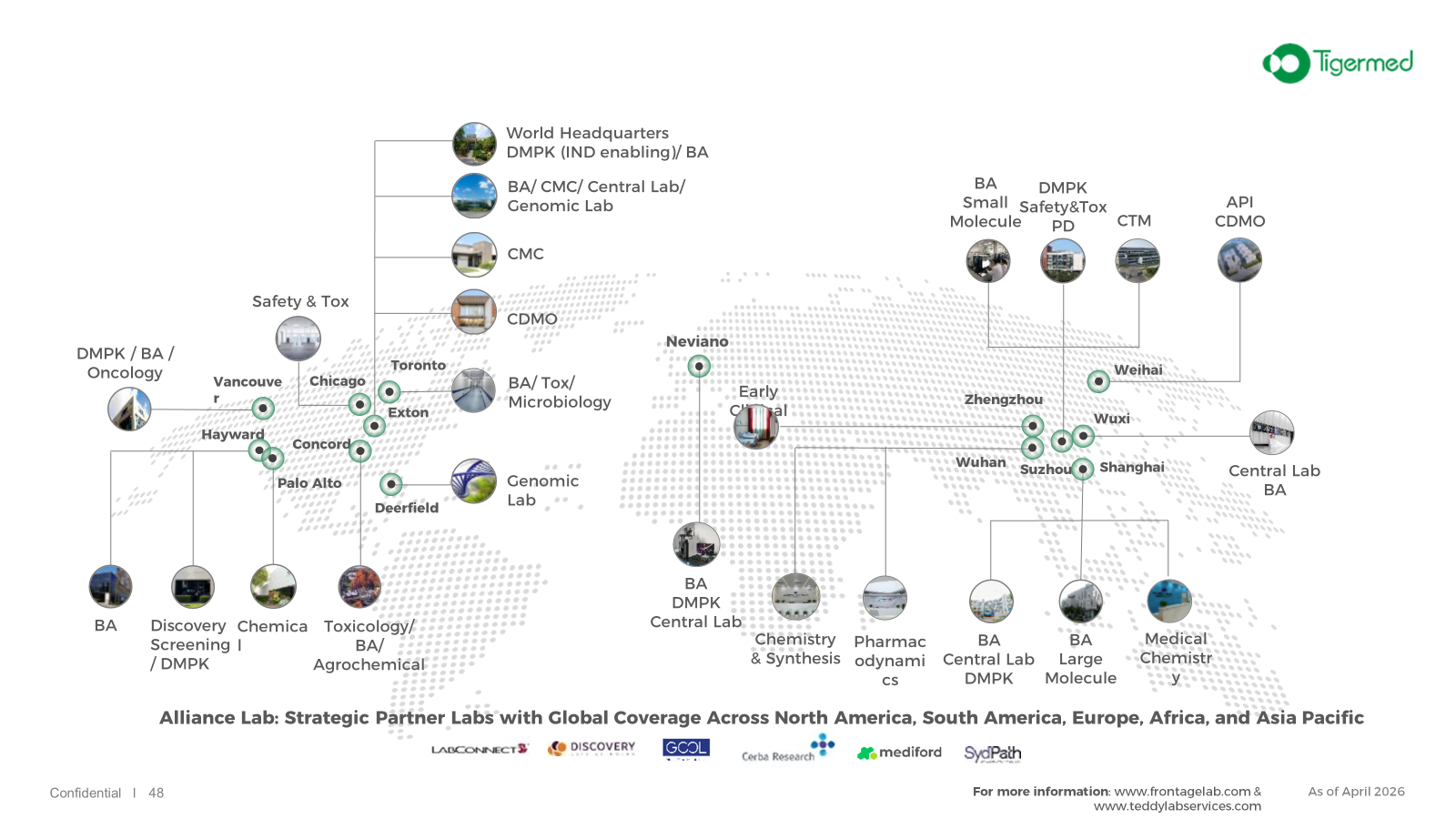
Tigermed provides preclinical bioanalytical capabilities covering assay development, method validation, and sample analysis activities within early drug development programs. By combining analytical planning with preclinical study requirements, its services address the technical factors that influence PK data quality and regulatory readiness.
This integrated approach allows development teams to obtain analytical results that are aligned with study objectives and suitable for decision-making during preclinical evaluation.
Method Development Decisions Affect IND Preparation Timelines
The impact of bioanalytical method development is often reflected later in the development process. When an assay is appropriately designed and validated before PK sample analysis begins, researchers can obtain interpretable exposure data without unnecessary repeat testing or analytical adjustments.
For preclinical programs, analytical performance directly affects how quickly teams can evaluate PK results, confirm dose-related findings, and prepare regulatory documentation. A method that matches the characteristics of the drug candidate and the purpose of the study reduces uncertainty when moving toward IND submission.
Through its preclinical capabilities, Tigermed provides assay development, validation, and sample analysis services that address the analytical requirements of early drug development programs. A well-designed bioanalytical strategy allows researchers to generate reliable PK evidence and make better-informed decisions before entering clinical studies.