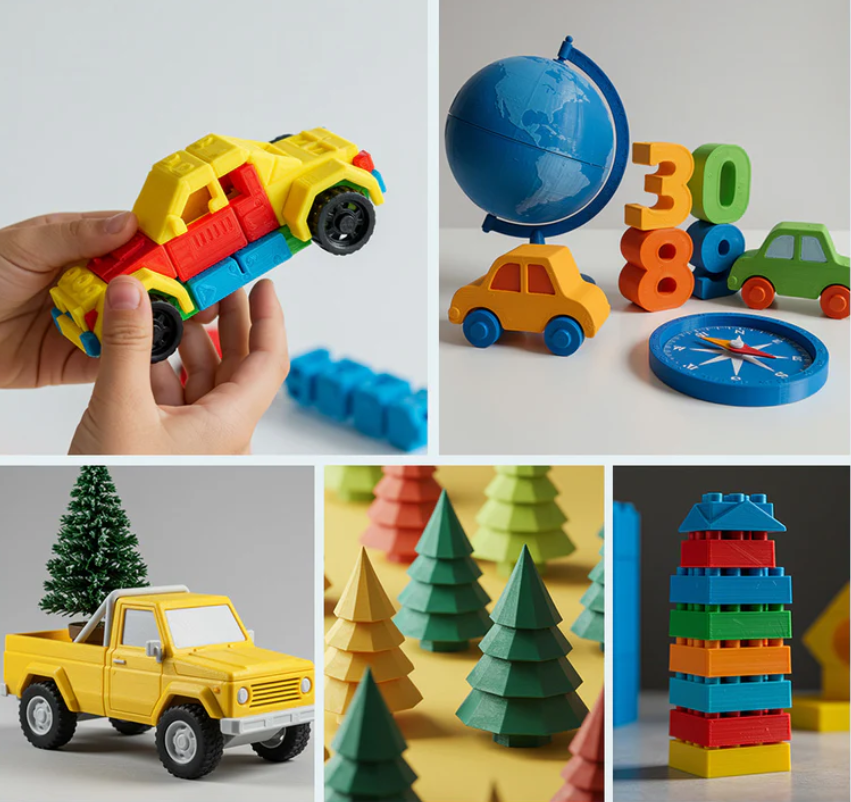
PLA dominates the additive manufacturing market for a simple reason: it virtually eliminates thermal warping, allowing users to achieve high-precision geometric prints without a heated chamber. For beginners, designers, and professional users, material selection directly affects printing results. Among different materials, PLA Filaments are often chosen for prototypes, models, educational projects, and general manufacturing needs because of their balanced printing experience and material characteristics.
Why Are PLA Filaments Commonly Chosen for 3D Printing?
PLA materials are known for their easy printing process and compatibility with many desktop 3D printers. Compared with materials that require higher temperature control, PLA usually works under moderate printing conditions. This makes it suitable for users who need reliable results during product development, testing, or small-batch production.
Another reason for the popularity of PLA is its lower shrinkage during printing. Lower shrinkage helps reduce issues such as shape changes and printing failures. For businesses that need consistent prototypes, choosing suitable materials can reduce repeated adjustments and improve workflow efficiency.
The Practical Advantages of PLA Filaments in Different Applications
In product design and engineering development, PLA Filaments are often used for concept models, appearance prototypes, and functional demonstrations. The material allows designers to quickly create physical samples before moving to later production stages. This helps teams evaluate structures, sizes, and visual details more effectively.
PLA is also considered a bio-based option compared with traditional petroleum-based plastics because it is biodegradable within 6 to 12 months under specialized high-temperature (58°C+) and high-humidity industrial composting environments. For companies focusing on responsible material choices, this characteristic can become an important factor when selecting printing materials.
How Does PLA Filament Support Beginner and Professional Users?
For many new users, PLA filament is a practical starting material because it does not require complicated printing knowledge. Stable extrusion, smooth printing performance, and broad printer compatibility help users complete projects with fewer adjustments. It is commonly selected for learning, training, and early-stage product development.
Professional users also choose PLA when they need fast prototype production. The material can support different design tasks, including visual models and basic functional parts. With proper printer settings, users can achieve consistent surface quality and detailed structures.
Key Features of SUNLU PLA 3D Printer Filament
SUNLU provides PLA materials designed for different 3D printing requirements. They offer SUNLU PLA 3D Printer Filament 1KG with features that focus on printing convenience and stable material performance. The filament has a diameter of 1.75 ± 0.02 mm, with a net weight of 1 kg per spool and a gross weight of 1.3 kg.
The product length is approximately 330 m for a 1 kg spool. It supports printing temperatures of 200–210°C at speeds of 50–100 mm/s and 210–240°C at speeds of 100–200 mm/s. These settings provide flexibility for different printer conditions and project requirements.
What Makes PLA Filament Suitable for Stable Printing?
A stable printing process depends on material quality, printer settings, and environmental conditions. Pla filament from reliable suppliers can help users maintain consistent feeding and extrusion during printing. For commercial users, this reduces material waste and helps maintain predictable production schedules.
SUNLU highlights features such as low shrinkage of 0.3–0.5%, which helps reduce common printing problems related to cracking or warping. They also design their PLA filament to be beginner-friendly, allowing users to start printing without complicated preparation steps.
Important Printing Conditions for Better Results
Correct temperature settings are important when working with PLA materials. A suitable nozzle temperature helps the filament melt evenly and improves layer bonding. The recommended bed temperature depends on the printer setup. When using an unheated bed, glue may be required for better adhesion. When the bed temperature reaches 50–60°C, glue may not be needed.
Storage conditions also influence filament performance. Keeping materials in a low-humidity, climate-controlled environment helps maintain quality during storage. Proper handling is especially important for businesses that purchase materials in larger quantities for continuous printing operations.
How Does 3D Printer PLA Filament Improve Project Efficiency?
Choosing suitable 3D printer PLA filament can improve the overall printing experience for companies, schools, and design teams. PLA materials are often selected for applications that require quick production, easy operation, and clear model presentation. These advantages make them useful for various development processes.
When selecting materials, buyers should consider printer compatibility, application requirements, and storage conditions. A suitable filament choice helps reduce unnecessary testing and supports smoother project progress. Material specifications should always match the actual equipment and printing environment.
Material Selection Considerations for Business Users
For B2B buyers, filament selection involves more than printing performance. Companies need to consider supply stability, application needs, and product specifications. Different industries may require different material features, such as flexibility, toughness, heat resistance, or surface quality.
SUNLU works on 3D printing materials and related products, providing options including standard filaments and higher-performance materials. They focus on material development to support different printing scenarios. Their product range includes PLA solutions that can meet common requirements in prototyping and manufacturing support.
Choosing the Right Filament for Future 3D Printing Projects
The popularity of PLA comes from its balanced features, including easy printing, compatibility, and practical application value. For users who need a dependable material for prototypes and creative projects, PLA remains a commonly selected option.
For businesses evaluating printing materials, understanding product specifications and printing conditions is important. SUNLU PLA solutions provide clear parameters, including diameter accuracy, weight information, and recommended temperatures. Selecting the right material based on project goals can help improve printing efficiency and support long-term 3D printing activities. 3D printer PLA filament continues to be a practical choice for many users because it combines convenience with reliable performance.