Hydrogen chloride (HCl) is widely used in industrial processes, including chemical manufacturing, metal treatment, plastics production, mining, and other operations. Although it is nonflammable, HCl is highly corrosive and can seriously affect the eyes, skin, and respiratory system when workers are exposed to excessive concentrations.
For facilities that handle HCl, effective gas detection should therefore be part of a broader occupational safety strategy. Choosing the right monitoring method requires consideration of exposure limits, sensor suitability, sampling conditions, alarm functions, and the working environment.
Why Hydrogen Chloride Gas Detection Matters
Hydrogen chloride is a colorless to slightly yellow gas with a pungent, irritating odor. It is also heavier than air, with a relative gas density of approximately 1.27 compared with air. HCl can form hydrochloric acid when it comes into contact with water, contributing to its corrosive behavior.
Exposure can occur through leaks, process equipment, cylinders, storage systems, or operations that generate HCl as a byproduct. NIOSH notes that harmful concentrations can develop rapidly after a loss of containment. Workers may experience irritation of the nose, throat, eyes, and respiratory system, while severe exposure can cause serious lung effects.
This makes timely detection particularly important. Relying on odor alone is not an appropriate industrial control strategy because workers should not have to recognize an irritating smell before taking protective action.
Understanding HCl Exposure Limits
Exposure limits provide an important reference when establishing an industrial monitoring program. OSHA lists a permissible exposure limit for hydrogen chloride of 5 ppm as a ceiling concentration, equivalent to 7 mg/m³. NIOSH also lists a 5 ppm ceiling limit.
These values should be interpreted carefully because a ceiling limit is different from an eight-hour time-weighted average. OSHA explains that a ceiling concentration should not be exceeded at any time during the working period.
NIOSH’s updated 2025 assessment also established a hydrogen chloride IDLH value of 45 ppm. This highlights why detection systems need to respond quickly enough to support evacuation and emergency procedures before concentrations reach immediately dangerous conditions.
Selecting the Right Gas Detector
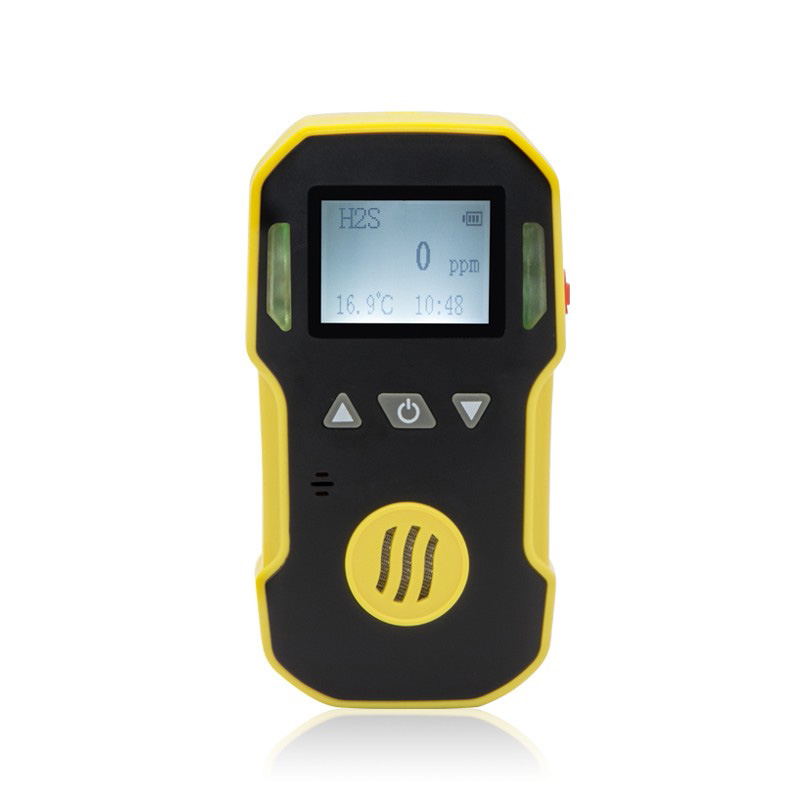
A suitable Gas Detector should match the specific chemical hazard and operating conditions. For HCl applications, the first question is whether the selected instrument is equipped and configured with a sensor suitable for hydrogen chloride. Sensor compatibility should always be confirmed with the manufacturer before deployment.
Portable instruments can be valuable for maintenance personnel, inspectors, contractors, and workers who move between different areas. They can provide personal monitoring and help identify potential leaks during inspection or servicing activities.
The portable gas detector range from Bosean includes single-gas, multi-gas, gas leak, marine, mining, and laser methane detection categories. Its product portfolio demonstrates that portable monitoring can be configured for different industrial detection requirements.
However, not every portable model is designed for every gas. For example, the company’s BH-90A specification states that toxic gases and other rare toxic gases can be specified by the customer in advance. The manufacturer should therefore confirm HCl sensor availability and the applicable measuring range for a particular application before purchase.
Consider Sampling and Alarm Requirements
Detection performance depends on how the instrument samples the surrounding atmosphere. Some portable detectors use natural diffusion, while others use pump sampling. Pump sampling can be useful when personnel need to draw gas from a specific location or investigate areas that are difficult to access directly.
Alarm configuration is another important consideration. Depending on the model, portable detectors may provide visual, audible, and vibration alerts. These functions can help notify workers when measured concentrations reach configured alarm thresholds.
For HCl, alarm settings should be established according to applicable occupational exposure limits, site procedures, and the detector’s validated specifications. Alarm thresholds should not be selected simply because they are convenient or copied from another gas-monitoring application.
Calibration and Maintenance Are Essential
Even a technically appropriate Gas Detector requires proper maintenance to remain useful. Sensor performance can change over time, while environmental conditions, contamination, and normal wear may affect measurement reliability.
Bosean states that its gas detection products can be supported with calibration and maintenance services, while individual models have specified sensor life and operating conditions. For example, the BH-90A lists a two-year sensor life, while its specifications also define different operating temperature ranges for combustible and toxic gas applications.
Users should follow the applicable instruction manual and establish a routine for calibration, functional checks, battery inspection, alarm verification, and sensor replacement. The manufacturer’s service guidance also advises users to read the instruction manual carefully before operating its products.
Integrate Detection With a Broader Safety Program
Gas detection should be treated as one layer of industrial risk control rather than the only safeguard. NIOSH recommends applying the hierarchy of controls when addressing hydrogen chloride hazards. Engineering controls, process containment, ventilation, safe operating procedures, appropriate personal protective equipment, emergency planning, and worker training should work together.
Fixed detection can also complement portable monitoring in areas where HCl release is possible. A fixed system can provide continuous monitoring at designated points, while portable equipment gives workers greater flexibility during inspections and field activities. The appropriate combination depends on the facility’s process design and risk assessment.
Contact Us for Application-Specific Guidance
Because hydrogen chloride detection requirements vary by process, concentration range, installation environment, and monitoring objective, selecting equipment based only on a general product category can create unnecessary risk. Confirm the target gas, required range, sampling method, alarm requirements, and environmental conditions before finalizing a detector.
Bosean has specialized in gas detection and measurement instruments since 2013 and serves industries including chemical, refining, mining, metallurgy, pharmaceutical, electronics, and other industrial sectors. The company reports an international customer base spanning more than 130 countries and regions.
For organizations evaluating HCl monitoring equipment, “Contact Us” to discuss the intended application and confirm whether the selected portable detector configuration is appropriate. Application-specific confirmation is especially important when monitoring less commonly supported toxic gases such as hydrogen chloride.