Concrete construction projects depend on more than material selection. The relationship between structural design, formwork planning, and site execution directly affects construction quality, working efficiency, and project schedules. A suitable formwork approach needs to match building layouts, repetition requirements, and installation conditions.
For contractors and developers, understanding how design decisions influence site performance can help create more practical construction plans. Modern concrete shuttering systems are developed to support accurate concrete shaping while reducing difficulties during repeated building processes.
Understanding the Role of Formwork Design in Construction
Formwork is a temporary structure that supports fresh concrete until it reaches sufficient strength. Its design affects concrete dimensions, surface quality, and the overall workflow on site. Poor coordination between drawings and formwork planning may create additional adjustments during installation.
A well-planned formwork structure considers wall thickness, column positions, beam arrangements, slab layouts, and other project details. When these elements are reviewed early, workers can follow clearer installation procedures and reduce unnecessary changes during construction.
For high-rise residential buildings, commercial projects, and apartment developments, repeated floor layouts are common. In these cases, a modular approach can help construction teams maintain consistent processes across multiple levels while adapting to specific structural requirements.
The connection between design and site performance becomes more important as projects become larger. A practical formwork solution needs to balance accuracy, assembly convenience, and long-term usage requirements instead of focusing only on initial installation.
Improving Site Efficiency Through Modular Construction Methods
Modern construction often requires faster project cycles and better control of labor resources. A modular formwork design allows components to be prepared, assembled, and removed according to planned sequences. This approach can support smoother operations when multiple floors share similar structural layouts.
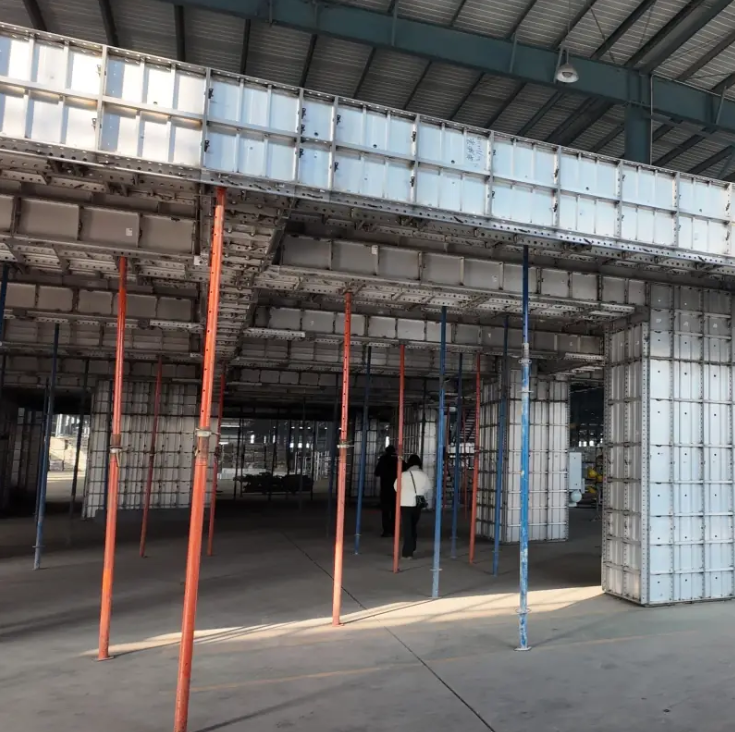
An aluminum formwork system is designed for projects that require repeated concrete structures. Compared with traditional timber and steel formwork, aluminum solutions provide lightweight handling, stable dimensions, and reusable components. These characteristics can help contractors manage installation processes with fewer adjustments.
The connection between formwork design and site performance also appears in concrete finishing. Accurate panels can help create smoother and more consistent concrete surfaces, reducing the need for additional surface treatment after dismantling. This is valuable for projects where appearance and construction quality are both considered.
Another important factor is material usage throughout the project lifecycle. Reusable formwork can help reduce waste generated from temporary materials. Contractors can review expected reuse frequency, maintenance plans, and storage conditions when selecting a suitable system for their projects.
Evaluating Practical Features for Large Construction Projects
Different projects have different structural patterns, so formwork selection should be based on actual site conditions. Residential towers may require repeated wall and slab structures, while commercial buildings may involve different layouts and larger open spaces.
Rongze provides an aluminum-based solution designed for concrete walls, columns, beams, slabs, staircases, and elevator shafts. It develops the system with a modular structure that supports assembly and dismantling processes. The solution is lightweight and reusable, making it suitable for high-rise residential, apartment, commercial, and similar projects with repeated designs.
Its aluminum formwork system uses aluminum alloy components to support dimensional accuracy during construction. With proper maintenance, the system can achieve more than 300 reuse cycles. This feature helps contractors consider long-term material management and construction planning when evaluating formwork options.
Site performance is also influenced by installation methods. A formwork system that requires simple handling procedures can support more organized workflows. Workers can follow standard assembly steps, while project managers can coordinate construction stages more effectively.
When reviewing concrete shuttering systems, buyers should consider more than the product structure. Factors such as project scale, building design, local labor conditions, maintenance requirements, and expected reuse frequency all influence the final selection.
Considering Long-Term Value During Formwork Selection
Construction teams often evaluate formwork based on both immediate needs and future project requirements. A reusable system may provide value through repeated applications, especially for projects with similar building structures.
The performance of a formwork system depends on proper design, installation, and maintenance. Regular inspection and correct storage methods can help maintain component conditions throughout multiple construction cycles. These practices are important for achieving stable results from reusable equipment.
Another consideration is coordination between suppliers, contractors, and project teams. Clear technical communication helps match formwork configurations with architectural and structural requirements. This cooperation can reduce misunderstandings before materials arrive on site.
Rongze focuses on providing formwork solutions for construction applications where repeated structures and efficient installation are important. It offeres systems that combine modular design with reusable aluminum components, supporting contractors in managing different project stages.
Connecting Design Decisions With Construction Results
The relationship between design and site performance determines how effectively a construction project moves from planning to completion. Formwork selection affects installation procedures, concrete quality, material usage, and long-term project management.
By reviewing structural layouts, construction conditions, and reuse expectations, project teams can make more informed decisions. A suitable system should match practical requirements and support consistent work processes throughout the building cycle. This approach helps connect design planning with real construction outcomes.