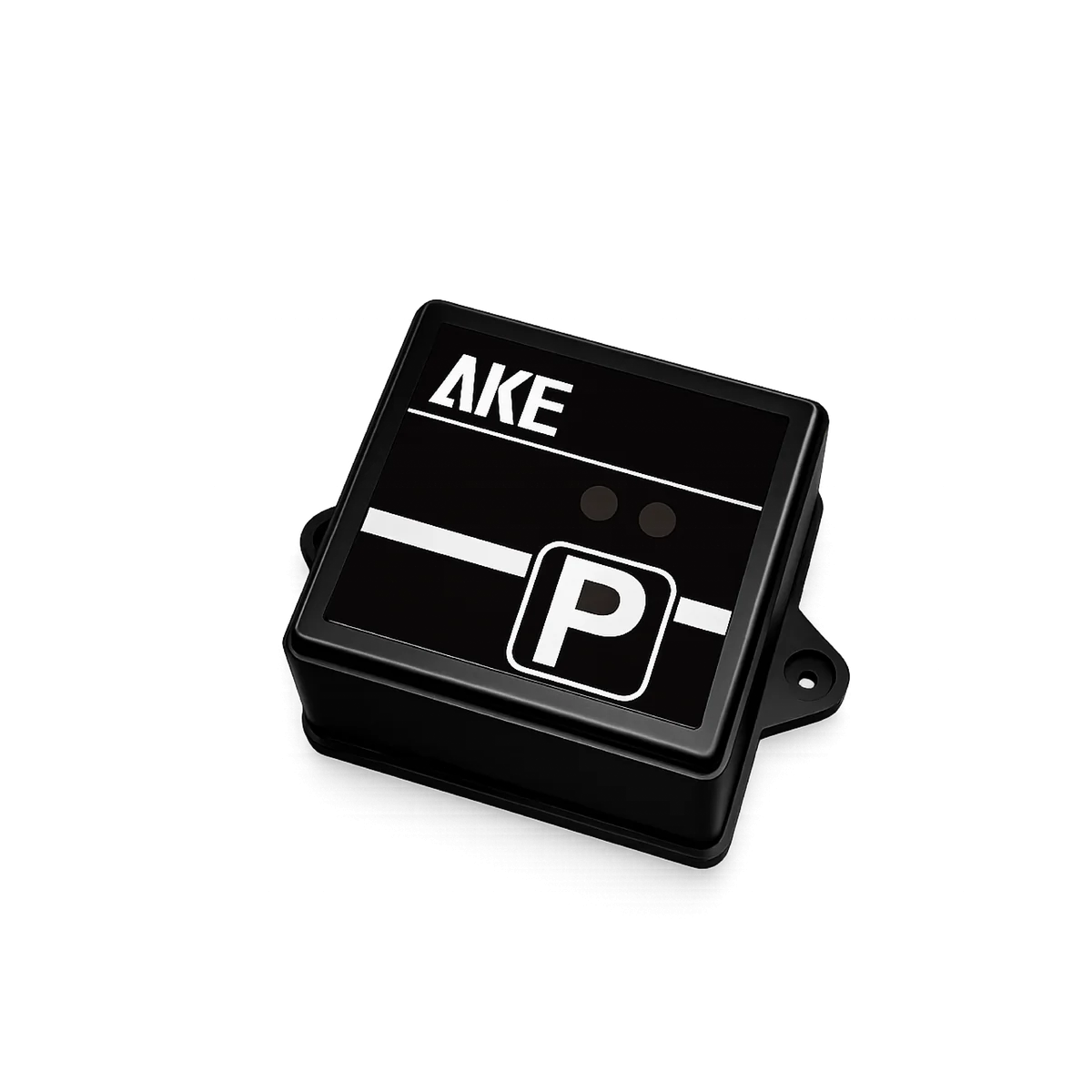
Traditional parking equipment was largely designed around a single site: a controller managed one lane, a local server logged one facility’s transactions, and any change to pricing or access rules required someone physically present at that location. An online parking management system changes this model by connecting hardware at multiple sites to a shared data layer, so that occupancy status, transaction records, and access permissions can be viewed and adjusted from outside the facility itself. For operators managing several properties — a property developer with parking across multiple residential communities, or a facilities group overseeing several office buildings — this shift from isolated, site-bound hardware to networked infrastructure is what actually makes multi-site oversight practical rather than a matter of visiting each location in turn or waiting for manually compiled reports.
Software Architecture That Enables Remote, Multi-Site Visibility
The technical structure behind an online system determines how well it scales beyond a single parking lot. Documentation for AKE Parking’s smart parking platform describes a browser-based host management architecture in which software analyzes data collected from field devices and generates statistical reports accessible through standard web access, rather than requiring dedicated on-site terminals. The same platform documentation describes a three-layer network and database structure supporting distributed database integration, along with standard data interfaces intended to allow software and hardware re-development and data exchange with other systems — characteristics relevant to any operator that expects to add sites, integrate a parking network with a separate access-control or payment platform, or expand data reporting requirements over time. Security controls are also addressed at the network layer, with a dedicated firewall system on the network access interface and tiered internal user authorities so that dispatch staff and administrators operate with different levels of access — a distinction that matters once a system extends across multiple properties and multiple management teams rather than a single site with a single operator.
Evidence from Multi-Lot Deployment: The Exhibition Center Case
Architecture on paper is one thing; documented performance at scale is another. Project records for an AKE Parking deployment at an exhibition center describe centralized multi-parking-lot management applied across a facility with more than 150 access channels and over 12,000 managed parking spaces, with peak average daily vehicle traffic exceeding 20,000 during active exhibition periods. That deployment combined 165 LPR controllers and smart barrier gates with parking guidance, reverse car-finding, video-based space detectors, and differentiated charging rules applied separately to ground-level and underground parking areas — meaning the platform was not simply aggregating data from one lot but coordinating operational rules that varied by zone within the same connected system. This kind of case is a useful reference point for evaluating online parking management system claims generally: centralized dashboards are only meaningful if they can also apply distinct rules and pricing logic per site or per zone, rather than presenting a single uniform view across locations that actually operate differently.
Manufacturing Consistency and Supply Reliability Behind Multi-Site Rollouts
Software connectivity solves only part of the multi-site problem. An operator deploying the same parking system across several properties also depends on consistent hardware quality and predictable lead times, since a rollout schedule can stall if equipment specifications or delivery timing vary between sites. According to company-provided information, AKE Parking Technology operates a production facility in Foshan City, Guangdong Province, covering over 12,000 square meters, with more than 300 employees, over 10 professional machines, and five complete production lines, supporting a reported daily output of up to 500 sets and an annual output of approximately 150,000 sets. The company states that materials, production, shipping, and construction are tracked through a product traceability system using scanning operations at each stage, and that its factory uses a warehouse control system intended to support a delivery guarantee of three days for regular products — a detail directly relevant to operators sequencing installations across multiple sites on a fixed timeline. The company also reports providing comprehensive English-language documentation for international clients, which matters for multi-national portfolios where installation and maintenance teams in different countries need consistent technical reference material rather than site-specific instructions translated ad hoc.
What Multi-Site Operators Should Verify Before Committing
Bringing the software and manufacturing dimensions together, operators evaluating a system for multi-site deployment should confirm several things directly with any prospective vendor rather than assuming they apply universally. First, verify whether the management platform supports genuinely independent rule sets per site or zone, not just a shared login with a single configuration applied everywhere. Second, ask how remote monitoring and alerting work in practice — whether failure detection, data reporting, and access-permission changes can actually be handled without a technician on-site, consistent with the self-inspection and real-time monitoring functions AKE’s platform documentation describes. Third, confirm production capacity and documented delivery timelines against the specific rollout schedule planned, since a vendor’s stated output figures and traceability processes are only useful if they translate into on-time delivery across every site in the sequence. Fourth, request evidence of a comparable multi-lot or multi-site deployment, such as the exhibition center project referenced above, rather than accepting general marketing claims about scalability. Operators comparing car park management system suppliers for a multi-property rollout can learn further details on the company’s product structure and reported project history are available directly from AKE Parking.