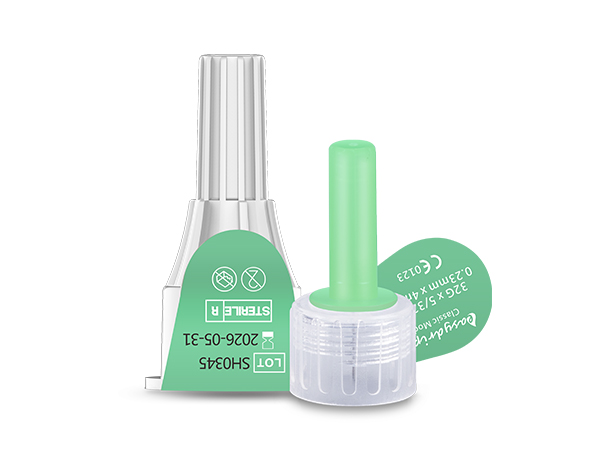
Navigating daily diabetes care often involves utilizing various medical tools. Understanding the precise function of each component is generally beneficial for maintaining an effective management routine. Two commonly confused items are the delivery device and its attached consumable. Clarifying their distinct roles typically helps individuals approach their daily therapy with greater confidence.
The administration process usually relies on a seamless connection between the medication reservoir and the subcutaneous tissue layer. Achieving this connection requires the precise interaction of specialized equipment. Exploring the mechanics behind these devices often highlights the importance of selecting reliable, high-quality components for everyday use.
Defining the Core Delivery Device
The primary instrument utilized for storing and dispensing medication is generally known as the delivery pen. An insulin pen may contain a prefilled insulin reservoir or use a replaceable insulin cartridge, depending on the pen design. It is engineered with a specialized dialing mechanism, which allows users to select their required dosage with a high degree of precision.
These devices are generally designed for multiple uses over a designated period, often until the internal cartridge is empty. They are typically engineered to be durable and user-friendly, catering to individuals who require frequent dosing. The robust design of the pen ensures that the internal mechanics function consistently day after day.
Understanding the Microscopic Consumable
Conversely, the component that physically penetrates the tissue is the disposable attachment. This small, sterile item is engineered to attach securely to the tip of the primary delivery device. Its primary function is to provide a sterile fluid pathway from the pen to the subcutaneous injection site, allowing the medication to flow from the cartridge into the subcutaneous layer.
This consumable attachment is strictly intended for single-use applications to maintain a hygienic environment. After each injection, the used pen needle should be disposed of in an appropriate sharps container in accordance with local requirements. Adhering to this single-use protocol typically reduces the risk of bacterial contamination and minimizes potential tissue trauma.
How the Two Components Interact
Effective medication delivery generally occurs when the device and the sterile attachment work in tandem. Once the user dials the correct dosage, they depress the primary activation button. This action typically engages an internal plunger, which pushes the liquid through the attached microscopic tube and into the body.
The interface between the two items is usually standardized, allowing for broad compatibility across different brands. However, finding the right fit typically requires attention to the specific dimensions of the consumable. Ensuring a secure connection generally prevents leakage and guarantees that the full, prescribed volume reaches the targeted tissue area.
The Importance of Precise Dimensions
When selecting a needle pen attachment, understanding the physical dimensions is usually quite important. The length, typically measured in millimeters, dictates how deeply the instrument penetrates. Modern clinical guidance often suggests shorter options, such as 4mm or 5mm, as they generally deliver medication effectively into the subcutaneous layer without striking underlying muscle.
The gauge, which indicates the thickness of the metal tube, also plays a crucial role. A higher gauge number typically represents a thinner profile. Thinner options are often preferred because they generally provide a gentler insertion experience. Finding the appropriate balance between gauge and length typically helps optimize overall comfort during routine administration.
Selecting High-Quality Manufacturing
The structural integrity of the consumable typically influences the overall user experience significantly. High-quality manufacturing generally ensures that the microscopic tip remains sharp and resists bending during insertion. Utilizing advanced production techniques often results in multi-facet bevels, which usually promote a smoother glide through the outer skin layers.
Established manufacturers frequently prioritize human-factors engineering to improve their product lines. Dedicated brands like SteriLance often focus on creating advanced diabetic consumables that meet rigorous international standards. Their specialized offerings, such as the Easydrip line, are generally designed to provide a consistent and reliable interaction with the primary delivery device.
By exploring reliable options, patients typically discover equipment that balances premium structural integrity with everyday usability. Access to dependable tools generally empowers individuals to adhere more closely to their prescribed therapy schedules, thereby potentially improving their long-term management outcomes.
Maintaining Optimal Therapy Routines
Preserving the functionality of both the device and its attachment typically relies on established best practices. Users are routinely encouraged to attach a fresh, sterile component immediately prior to each dose. Leaving a used attachment connected to the device can sometimes introduce air bubbles or allow medication to leak, which might affect dosage accuracy.
Repeatedly utilizing the same tissue area can sometimes lead to localized dermatological issues, which may unpredictably alter how medication is absorbed. Adhering to a structured site-rotation schedule is generally considered a fundamental aspect of effective daily care.
Ultimately, understanding the distinct roles of the primary device and the consumable attachment typically streamlines the administration process. By prioritizing high-quality materials and adhering to established protocols, individuals can generally enhance their overall therapy experience. Consulting a healthcare provider usually ensures that the chosen equipment supports the overall treatment strategy effectively.
Disclaimer: This content is provided for general health education and informational purposes only. It does not constitute medical advice, diagnosis, or treatment. Individual health conditions vary, and no health education article can replace a face-to-face consultation with a qualified healthcare professional or licensed medical institution. If you have specific health concerns or feel unwell, please seek care from a licensed medical facility and do not delay treatment because of content on this platform.