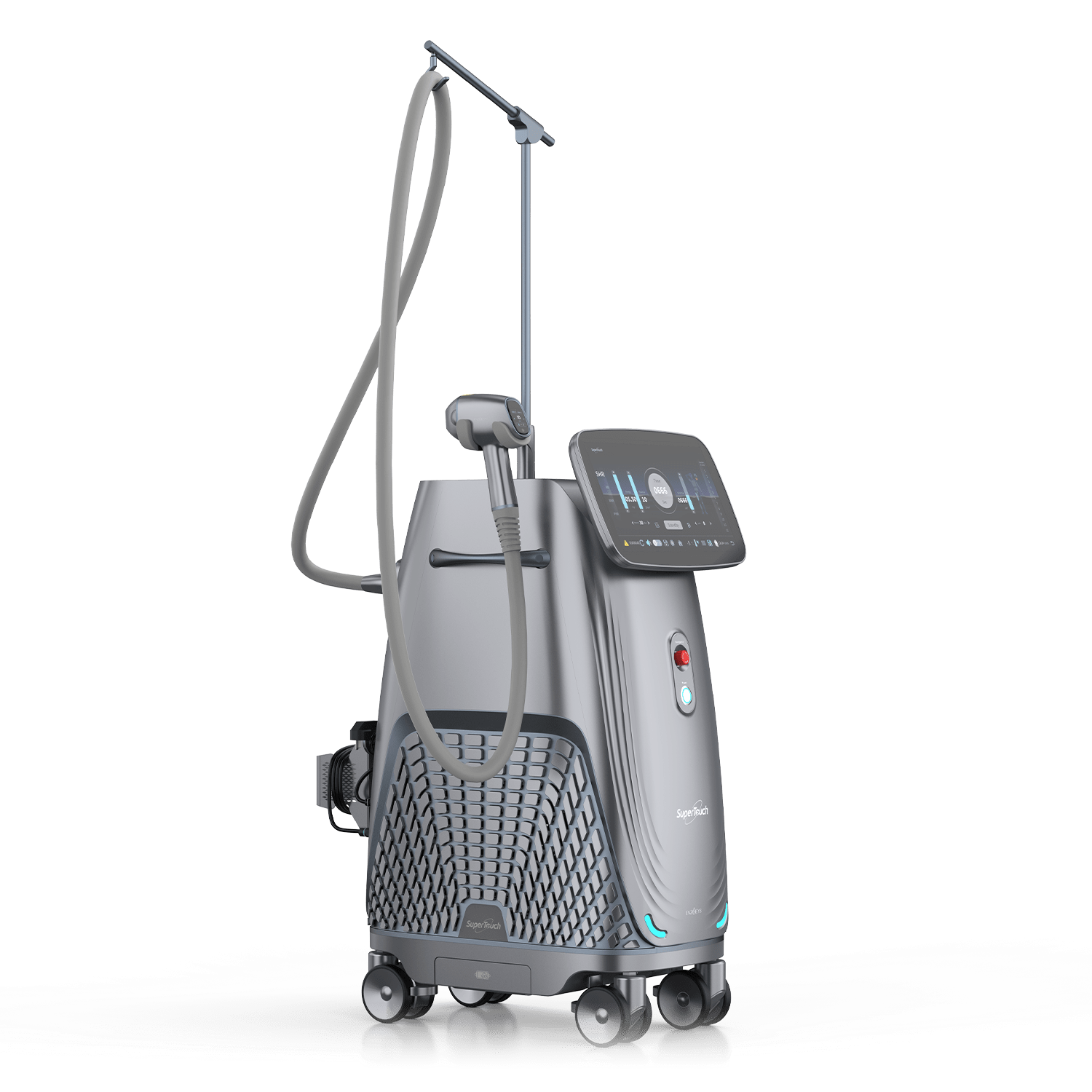
From the perspective of a procurement manager at a high‑volume dermatology network, selecting a diode laser hair removal machine for predominantly male caseloads requires evidence of deeper penetration, consistent energy delivery, and operational resilience. Male patients typically present coarser, denser terminal hair and larger treatment areas (chest, back, beard), so buyers of aesthetic devices must prioritise systems that combine targeted wavelengths, robust thermal management, and workflow efficiency.
Deeper penetration, wavelength selection and clinical outcomes
A diode laser hair removal machine that offers multi wavelength capability—commonly including 808 nm and 1064 nm—provides the depth of penetration and melanin selectivity suited to coarse male hair while managing epidermal safety across diverse skin phototypes. The 808 nm wavelength balances follicular reach and repetition rate; 1064 nm delivers deeper penetration with reduced epidermal absorption for darker skin. Procurement teams should request fluence stability reports, energy uniformity charts, and clinical endpoint data demonstrating follicular disruption rates for thicker hair. ENZOEYS product dossiers often detail calibrated modes and validated cooling protocols that help mitigate thermal accumulation during dense area treatments, reducing retreatment rates and improving first pass efficacy.
Handpiece design, cooling and throughput considerations
Operational demands for male treatments place stress on duty cycle and cooling systems. A laser diode hair removal machine designed with waveguide‑free handpieces, interchangeable FAC lenses, and advanced chiller cooling sustains extended sessions with minimal energy drift. Larger spot sizes and modular diode arrays enable faster coverage of back and chest areas while preserving effective fluence at depth. For procurement, require MTBF/MTTR metrics, burn‑in and stress‑test certificates, and recommended preventive‑maintenance intervals. ENZOEYS and other aesthetic equipment suppliers that document spare‑parts availability, field‑replaceable diode modules, and training programs reduce downtime and protect throughput in high‑frequency clinics.
Economic and clinical deployment implications
Selecting a laser diode hair removal machine that reliably treats male presentations can reduce per‑case time, lower consumable and labor costs, and enhance patient throughput. Buyers should include contractual SLAs for response times, spare‑parts lead times, and performance guarantees in RFPs. Verify post‑market surveillance data and real‑world case series focusing on male cohorts to substantiate supplier claims.
For purchasers, a validated laser diode hair removal machine from an established supplier such as ENZOEYS offers a defensible technical and commercial solution for male patient programs, provided procurement teams insist on empirical performance data and robust support commitments.