During a busy dinner service, the wok station may handle orders every few minutes while the soup station keeps several dishes at a steady temperature. The fryer has another rhythm, and the boiling area has its own space and water requirements. These differences explain why restaurant equipment should be selected by station rather than from one general checklist.
When planning a kitchen, operators can first map the menu to each cooking area. Discussions with a commercial kitchen equipment manufacturer can then focus on actual tasks, available space, cooking volume, and utility conditions. Restaurant groups developing their own equipment lines may also compare induction cooker manufacturers according to how well their products fit these different station requirements.
What Does Each Cooking Station Actually Need?
The menu is the practical starting point. List the dishes assigned to each station and identify their main cooking methods. Stir-frying needs different heat control from simmering soup. Deep-frying involves oil management, while noodle preparation may require frequent boiling and draining.
Cooking frequency changes the equipment requirement as well. A wok used occasionally for side dishes does not have the same workload as one handling repeated stir-fry orders during peak service. Operators can estimate the number of portions prepared per hour and the typical batch size before deciding how many cooking positions are required.
Pan and vessel sizes should also be recorded. Large stockpots, frying baskets, woks, and smaller pans occupy different amounts of working space. Matching the cooking surface to the cookware helps prevent a station from becoming unnecessarily large or awkward to operate.
Different Stations Call for Different Equipment
Stir-fry stations usually involve frequent temperature changes. Cooks may move quickly between heating oil, cooking ingredients, and reducing heat. For an induction setup, buyers should consider compatible cookware, control response, working height, and the space available for handling pans.
A boiling station has another workflow. Pasta, noodles, dumplings, and similar foods require repeated loading and removal from hot water. Pot capacity is important, but access to water and drainage also affects daily operation. The position of nearby preparation and serving areas should be considered at the same time.
At the frying station, buyers need to think about oil capacity, temperature adjustment, baskets, draining space, and cleaning access. If several fried dishes share the station, there should also be enough room to keep uncooked ingredients away from finished food.
Soup and simmering stations often operate differently from high-intensity cooking areas. Pots may remain in place for longer periods. Stable heat adjustment, vessel size, working height, and access for stirring or portioning can therefore matter more than rapid pan movement.
Space and Utilities Can Change the Equipment Choice
Equipment that suits the menu still has to fit the physical kitchen. Operators should measure the actual installation position, including width, depth, working clearance, and nearby preparation surfaces. Doorways and access routes also matter when larger equipment must be moved into the kitchen.
For induction cooking, the electrical supply needs to be checked before equipment is ordered. Voltage, power requirements, wiring, plugs, and the electrical capacity available at each station should correspond with the selected unit. Overseas restaurant projects may also face different electrical and certification requirements.
These details are useful when communicating with a commercial kitchen equipment manufacturer. Instead of requesting equipment based only on a product category, buyers can provide station dimensions, cookware sizes, expected cooking tasks, and local electrical conditions. This gives the equipment discussion a clearer technical basis.
Kitchen Workflow Matters Beyond Rated Power
Rated power alone does not show whether equipment will work well at a particular station. The position of ingredients, utensils, preparation surfaces, cooking units, and plating areas affects how staff move during service.
Consider a stir-fry station during a rush period. If ingredients are prepared on one side but finished dishes must cross another cook’s working area before reaching service, the layout creates unnecessary movement. Changing the equipment position may improve the workflow without changing the appliance itself.
Cleaning access deserves the same attention. Oil can collect around fryers and stir-fry equipment, while boiling areas frequently deal with water and steam. Staff should be able to reach surfaces that require regular cleaning without moving several unrelated appliances.
Control placement is another practical detail. When comparing induction cooker manufacturers, buyers can look at whether controls are convenient for the intended station, whether equipment dimensions fit the layout, and whether available configurations correspond with the restaurant’s cookware and cooking methods.
When Does a Customized Format Make Sense?
Standard units can work well when their dimensions and functions already match the station. Customization becomes more relevant when restaurant groups or kitchen equipment brands need a particular size, structure, control arrangement, or exterior design for repeated projects.
This is one area connected with the ODM work of Better Induction. Founded in 1999, the company develops electromagnetic cooking equipment, including induction cookers, woks, fryers, ranges, cooking carts, and cooking islands. They provide product design, R&D, and manufacturing services for ODM and OEM projects.
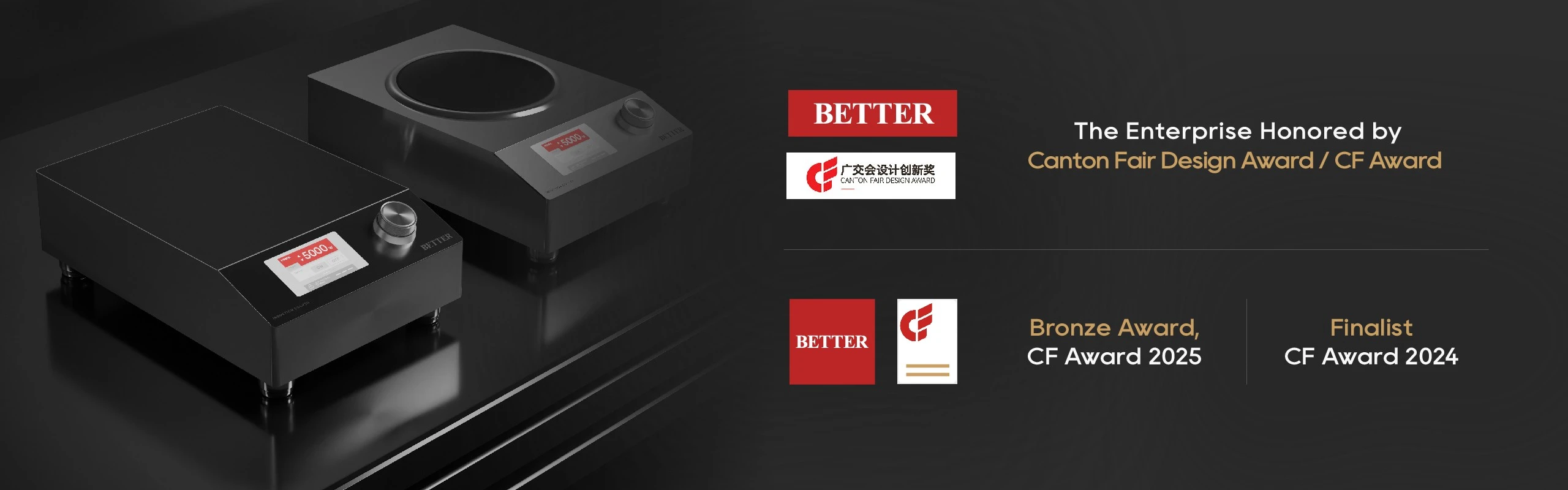
Design development can also address practical station requirements rather than appearance alone. The company’s self-developed products have received the CF Award, also known as the Canton Fair Design Award, and recognition through the HOTELEX New Quality Brand Awards. These details relate to their stated design-led approach to product development.
For a brand developing equipment for several kitchen stations, Better Induction can work on customized electromagnetic cooking products from design through manufacturing. Their customizable range covers more than 1,000 product options across different forms and applications. This allows dimensions, product formats, and functions to be discussed according to the intended cooking task before production.
Build the Equipment List Station by Station
A practical equipment plan can be built directly from the restaurant’s daily service. For each station, record the dishes prepared there, cooking method, peak volume, cookware, available dimensions, electrical conditions, cleaning requirements, and the movement of food before and after cooking.
This station-by-station approach keeps purchasing decisions tied to actual kitchen work. A fryer, wok unit, boiling appliance, or simmering station earns its place because it handles a defined task within the menu and workflow. That gives restaurant planners a more useful basis for selecting equipment than comparing product lists without considering how the kitchen will operate.