Putting a customer’s logo on a standard mattress is a form of customization, but it reveals little about a factory’s ability to change the product itself. A project may require a different size, feel, material combination, or external design. Evaluating a custom producer means finding out which changes it can interpret, manufacture repeatedly, and inspect. The depth of that capability matters more than a long menu of possible alterations.
The evaluation can be organized into three layers: development, execution, and verification. A weakness in any one layer can undermine the others. Strong designers cannot compensate for unclear factory instructions, and a precise production line cannot make an undefined request reproducible.
Separate Branding From Product Development
Branding an established design may involve a logo, label, or selected surface treatment. The internal construction can remain unchanged. Deeper customization asks the factory to translate a target comfort level or a new dimension into materials and production steps. Those requests require different technical work, even if both are sold under the same OEM or ODM label.
A good custom mattress manufacturer can explain where the boundary lies. Which features are standard options? Which require a newly approved sample? Which combinations need a revised price or order minimum? Clear answers indicate whether the company understands the proposed change as an engineering task rather than a sales description. The buyer’s specification must be detailed enough to test those answers.
Design capability is not simply the number of people on a team. Its value appears when the team identifies conflicts, such as a target height that does not fit the proposed layer combination. A useful development discussion shows alternatives and records the approved solution. That record protects the project when different employees handle production later.
Look for a Bridge to Manufacturing
The next layer is the handoff from development to a repeatable line. Drawings, bills of materials, measurements, and sample versions need to become instructions that production staff can follow. The more unusual the mattress, the greater the importance of controlling changes. A fabric substitution or altered size can affect several downstream steps, including cutting, assembly, and packing.
Version control involves people. Sales may hear a request, designers specify a change, and production implements it weeks later. Each handoff needs the same drawing and sample reference. If one team works from an outdated version, technical capacity cannot prevent the wrong product. The cost may surface only after delivery.
Such records should distinguish a demonstration sample from a repeatable specification. A custom mattress company may show an attractive prototype, yet the buyer still needs to know whether the material choices and assembly steps are recorded for later orders. Consistency is produced by that transfer of information, not by the prototype’s appearance alone.
Make Inspection Follow the Changes
Inspection criteria must follow the customized features. If the buyer changes the width, measurement becomes central; if the cover changes, fabric appearance and stitching matter; if the comfort construction changes, the approved feel and layer arrangement need a reference. A generic statement that every unit is checked cannot show whether the new features are included in the checks.
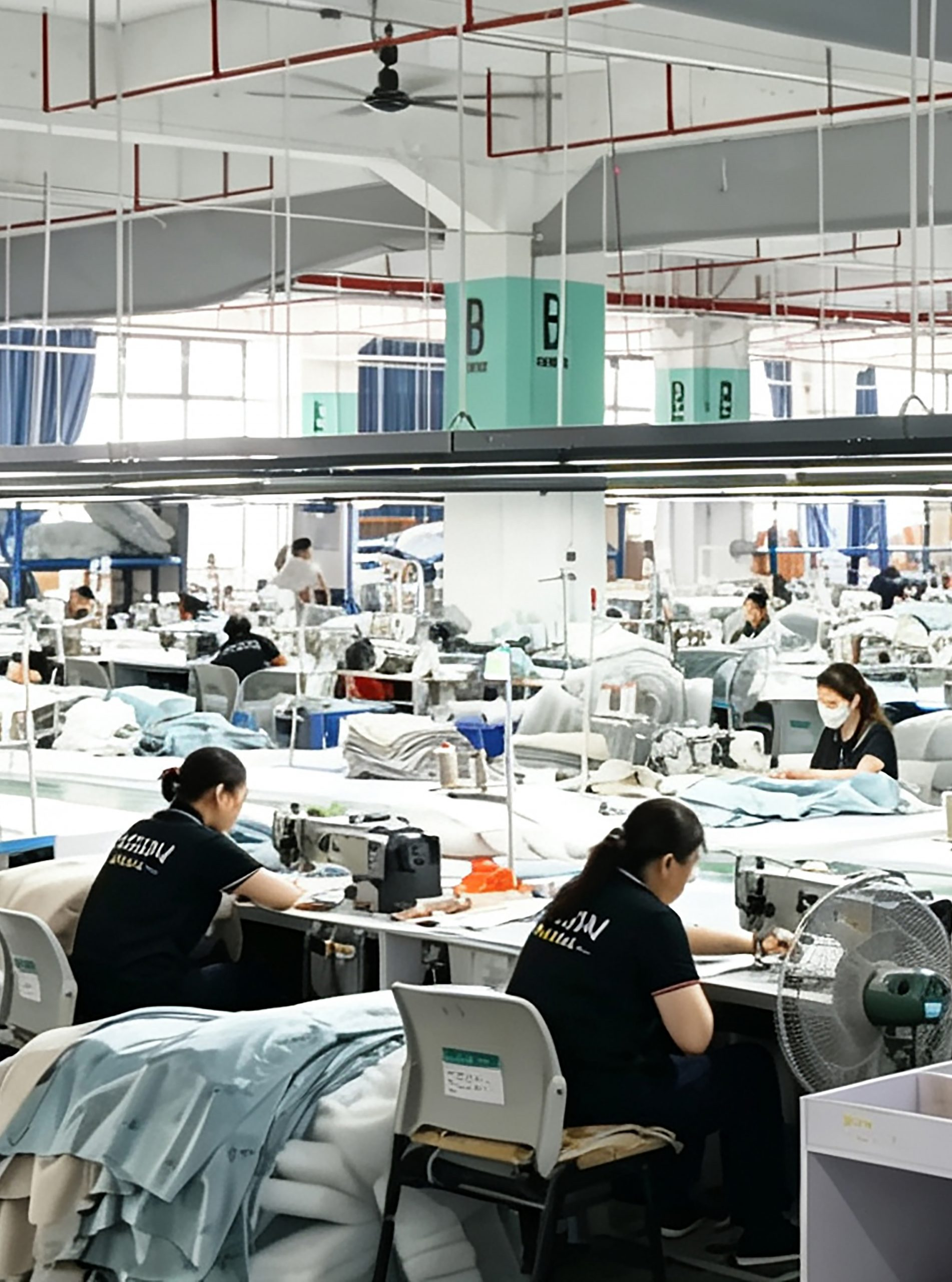
Suisin Furniture reports three production bases and equipment that includes standardized and automated lines. The team includes over 50 R&D design engineers, while the company’s patent portfolio exceeds 300. It accepts standard designs with customer branding as well as supplied styles, sizes, and material requirements. A factory visit or discussion can then examine how revised dimensions are released to production and which team signs off on the first acceptable bulk unit.
Suisin Furniture reports multiple quality-inspection stages and says product dimensions can move from standard sizes to exact project specifications. An evaluator can ask where those custom dimensions are recorded and how deviations are reported. The same inquiry applies to materials and finishes. Published inspection capability is a starting point, while the order-specific inspection plan is the relevant evidence.
Inspection frequency alone cannot show whether the right features were checked. A revised height needs measurements at defined points; a changed cover requires an appearance check. The inspection plan should identify departures from the standard model before the first bulk unit is packed.
Questions about corrective action are useful too. What happens when a finished unit falls outside the agreed tolerance? A good custom mattress manufacturer needs a route for isolating the affected goods, identifying the cause, and preventing the same error in the next batch. The buyer can assess that route before a large order magnifies a small mistake.
Judge the Complete Capability
No single resource proves that a custom mattress company is a good match for every custom project. The decisive pattern is whether it can understand a request, convert it into a documented product, reproduce the approved version, and identify deviations. A buyer comparing candidates can ask for evidence at each transition rather than rewarding the broadest customization claim.
For the finished mattress, good customization is visible in the match between approved specification and delivered units. That match, rather than the number of possible options on a website, is the practical test of a manufacturing partner.