Installation delays often begin before the equipment reaches the site. An unconfirmed vessel opening, insufficient service clearance, missing utility data, or an obstructed delivery route can leave a completed machine waiting instead of operating. Site preparation therefore starts from the approved equipment configuration and engineering layout.
High shear batch mixers vary in mounting position, power, speed, and capacity, so generic preparation is not enough. Every industrial batch mixer project needs a documented match among the selected unit, vessel, surrounding structure, connections, access route, and commissioning responsibilities before shipment.
Confirm the Model Duty and Mounting Position
The first readiness gate is an approved equipment definition. The process team should confirm the material, batch volume, required result, operating parameters, and selected model, while the engineering team verifies whether the unit is top-mounted or bottom-mounted.
That choice affects vessel openings, support arrangements, service access, and the relationship between the working head and product volume. High shear batch mixers cannot be installed from a general category drawing. The industrial batch mixer should be prepared against the final project layout and the exact duty agreed for the vessel.
Revision control prevents different contractors from preparing the site from different assumptions. The installation record combines the model number, drawing status, interface list, and approval date. Superseded drawings need to be withdrawn from active use so that fabricated openings or supports do not reflect an earlier configuration.
Match the Vessel to the Selected Configuration
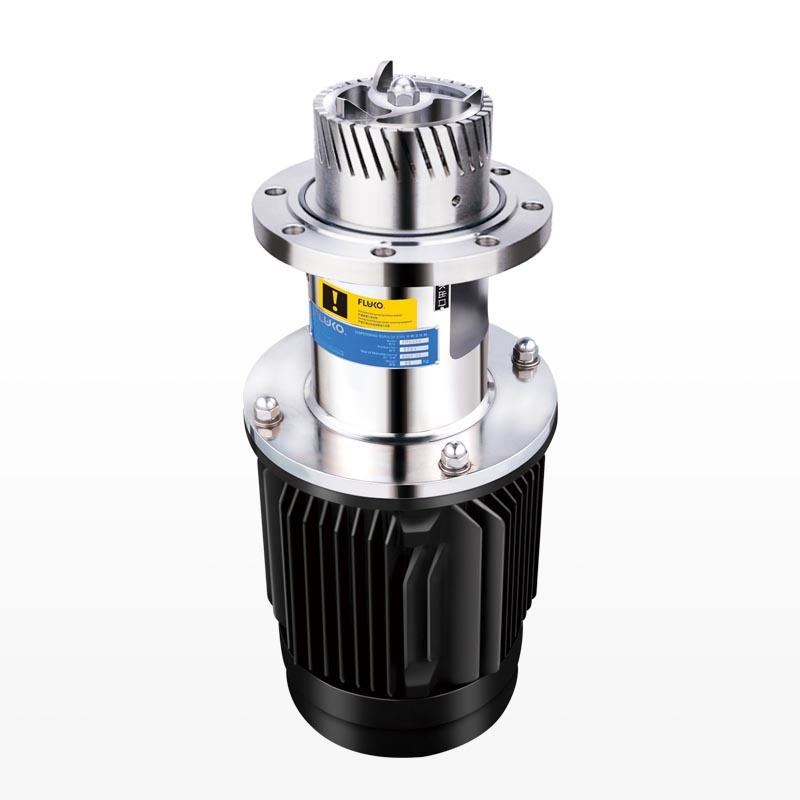
Vessel geometry and mixer location determine how equipment enters the container and how material circulates around it. FLUKO’s FAE/FME/FUE/FAEP series mounts at the bottom of the container and uses interchangeable working-head structures for different shearing, dispersion, and emulsification requirements.
Its FM/FMB/FMS series mounts at the top and is designed to create strong internal circulation while combining mixing and shear for medium- and high-viscosity materials. These two forms of high shear batch mixers create different mechanical interfaces. The site must prepare the industrial batch mixer opening, attachment arrangement, and internal clearances for the confirmed series rather than an assumed layout.
Verify Space Structure and the Delivery Route
A route survey follows the equipment from the unloading point to its final position. Door widths, aisle turns, overhead restrictions, lifting locations, floor loading, platform access, and maintenance clearance can determine whether installation proceeds safely and in the intended sequence.
The site team should compare equipment dimensions and lifting requirements with actual measurements, not only building drawings. Larger high shear batch mixers may also require a different handling plan from small production units. The industrial batch mixer route should remain available on the delivery date, with temporary obstructions and unfinished construction identified in advance.
Prepare Electrical and Process Interfaces
Utilities must match the approved motor and control requirements as well as the process connections around the vessel. Electrical supply, isolation, cable routing, grounding provisions, and control integration should be confirmed by responsible specialists.
Process preparation can include associated piping, drainage, cleaning connections, and any interface defined in the project layout. Because high shear batch mixers cover broad ranges of power, speed, and vessel capacity, values from another model should not be reused.
The industrial batch mixer data sheet and final engineering documents should remain the single reference for site work. Each interface needs a named owner and verification method. Results from electrical, mechanical, and control teams must converge at the same equipment boundary before delivery.
Plan Safety Cleaning and Maintenance Access
Operating access differs from installation access. Guards, working platforms, lockout points, cleaning routes, inspection areas, and space for later maintenance should be reviewed while the site can still be changed.
Top-mounted equipment may require safe access above the vessel, while bottom-mounted equipment may place service tasks below or beside it. The arrangement for high shear batch mixers should keep these activities compatible with the final vessel position. An industrial batch mixer that physically fits but cannot be safely cleaned, inspected, or serviced is not fully installation-ready.
Align Documents People and Commissioning Tasks
Readiness also depends on who will approve each stage. FLUKO’s service workflow includes requirements review, engineering design and planning, production quality checks, scheduled delivery, and post-delivery validation. A project using its high shear batch mixers should still assign site responsibilities for receiving, lifting, installation, utility connection, inspection, and startup.
The industrial batch mixer documentation can include the approved drawing revision, model and operating data, delivery schedule, inspection records, and outstanding site actions. Clear ownership prevents an unresolved interface from surfacing only after technicians or equipment arrive.
Release the Site Only After a Final Readiness Review
The release decision compares the latest engineering layout with the actual vessel, access route, structural preparation, utilities, safety provisions, and commissioning plan. Any discrepancy needs an owner and closure date before the shipment milestone.
Photographs, measurements, and signed drawings can support the review, but they must refer to the selected high shear batch mixers configuration. The site is ready for an industrial batch mixer only when the final project drawing and the physical installation conditions agree.