For hotel owners, resort developers, and scenic attraction operators, an aquatic play area can be a valuable investment for increasing family appeal and extending guest dwell time. Yet the purchase price of play equipment is only one part of the equation. Site preparation, water systems, customization, installation, and ongoing maintenance can all influence the final budget. Understanding these cost categories before procurement helps investors build a more realistic project plan and avoid unexpected expenses.
Start With the Scope of the Kids Aqua Play Project
The first step in estimating an aquatic project is defining its intended scale. A compact installation for a hotel may require a different equipment mix from a large family attraction at a resort or scenic destination.
Jinchao’s kids aqua play solution is designed for pool areas from 100 to 500 square units, with the product quantity determined according to the available area. This allows investors to scale the attraction according to their site instead of purchasing a fixed package that may not fit the venue.
The project scope should also establish the expected number of children, operating hours, attraction layout, and desired interaction level. These factors influence equipment quantities and the supporting infrastructure required.
Equipment Is Only One Part of the Aquatic Play Area Cost
When calculating aquatic play area cost, buyers should distinguish between equipment expenditure and total project expenditure. The equipment itself may include interactive water features, structural components, spray elements, and customized decorative elements.
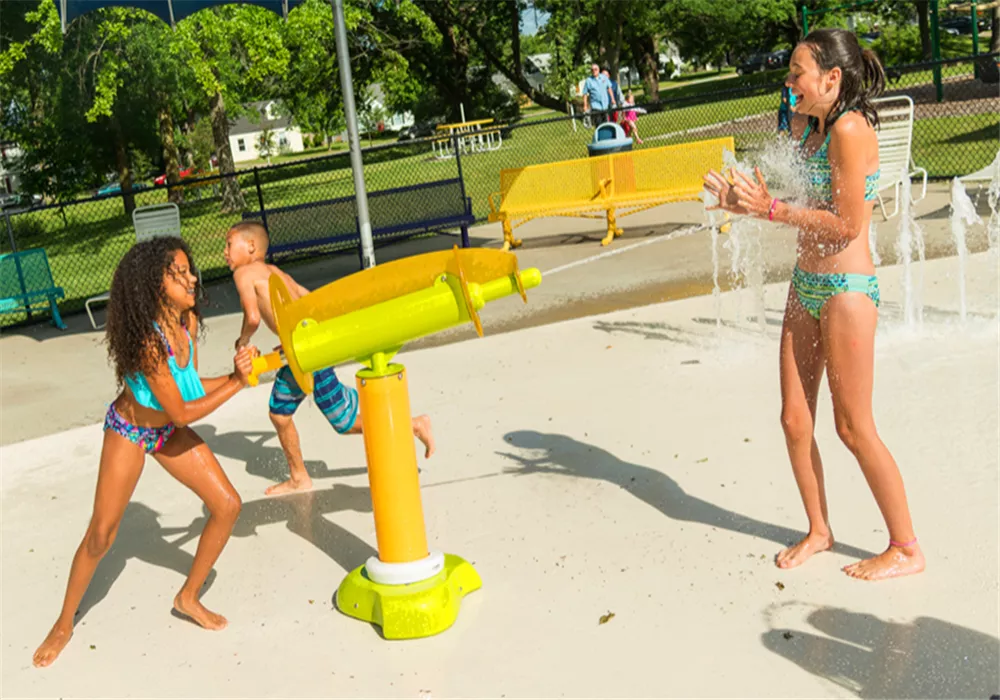
Jinchao’s kids aqua play equipment uses 304 stainless steel, a material selected for durability and resistance to damage. The equipment can spray water in different forms and rotate during operation, creating an interactive experience rather than a static decorative installation.
For investors, this distinction is important. A lower initial equipment quotation does not automatically mean a lower project cost if additional structural work, modifications, or replacement components are required later.
Site Preparation Can Change the Budget
Existing site conditions have a major influence on project expenditure. A new aquatic play zone may require adjustments to the pool surface, drainage, electrical connections, water supply, circulation, or surrounding access areas.
A relatively prepared hotel pool deck may require less construction work than a new attraction built on undeveloped land. Consequently, investors should have the site evaluated before comparing supplier quotations.
A professional water park manufacturer can help identify technical requirements during the planning stage. Early coordination allows the attraction footprint, equipment placement, and supporting systems to be considered together rather than treated as separate projects.
Water Systems and Utilities Need Their Own Budget
Interactive water attractions depend on reliable water circulation and control systems. Pumps, filtration, piping, drainage, electrical connections, and water treatment equipment can therefore represent a significant part of the investment.
The required configuration depends on the attraction’s size and local project conditions. Operators should ask suppliers to clarify which components are included in the equipment quotation and which must be provided by the project contractor.
This is particularly important when comparing splash pad installation cost between different suppliers. Two quotations may appear substantially different simply because one includes more supporting equipment or engineering work.
Customization Adds Value—and Can Add Cost
Customization is another factor that should be included in a 2026 budget. Many resorts and scenic attractions want their children’s areas to reflect local culture, destination branding, or a specific intellectual property theme.
Jinchao allows its kids aqua play facilities to be customized according to an investor’s local culture or IP theme. Colors can also be customized according to project requirements, while the shapes of the interactive features can contribute to the overall visual identity.
The commercial value of customization should therefore be assessed alongside its additional cost. A distinctive attraction may strengthen branding and photography opportunities, potentially making the additional investment worthwhile for high-traffic destinations.
Installation and Logistics Should Not Be Overlooked
Equipment procurement is only part of getting an attraction ready for operation. Transportation, unloading, assembly, installation, testing, and project coordination can all affect the final budget.
For an international project, shipping distance, destination regulations, import procedures, and local labor costs can create further variation. A water park manufacturer with experience serving overseas projects can help buyers understand these requirements earlier.
Investors should request a quotation that clearly separates equipment, customization, transportation, installation, and other project services. This makes supplier comparisons more meaningful and reduces the risk of discovering major additional expenses after the contract is signed.
Plan for Maintenance From Day One
A realistic commercial splash pad budget should also account for long-term operation. Interactive water equipment is exposed to water, chemicals, weather, and continuous guest use, so operators need routine inspection and cleaning procedures.
Jinchao’s 304 stainless steel construction provides a durable foundation for its children’s water spray facilities. However, material durability does not eliminate the need for proper maintenance. Operators should establish schedules for checking spray components, rotating mechanisms, connections, pumps, and water systems.
Maintenance planning can also influence equipment selection. Features that are easy to inspect and replace may help reduce operational disruption and maintenance labor over the attraction’s service life.
How Jinchao Approaches Project Budgeting
For investors working with a water park manufacturer, the most useful quotation is one connected to the actual project rather than a generic equipment price. Jinchao develops children’s water spray facilities according to the investor’s available area and determines product quantities accordingly.
Its kids aqua play systems are intended for locations such as hotels and scenic spots, where family-oriented attractions can complement existing facilities. The combination of customizable appearance, interactive spraying, and rotating features allows project owners to develop an attraction suited to their specific venue.
That approach can help investors move from a simple equipment purchase toward a more complete project concept.
Building a More Reliable 2026 Investment Plan
The final budget for an aquatic attraction depends on more than the headline equipment quotation. Site preparation, water and electrical systems, customization, logistics, installation, and maintenance all deserve separate consideration.
For operators evaluating kids aqua play projects, the strongest approach is to define the site and operating objectives first, then request a detailed quotation based on those requirements. Working with an experienced water park manufacturer such as Jinchao can make it easier to connect equipment selection with practical project conditions.
A carefully structured budget gives investors a clearer picture of both initial expenditure and long-term operating needs. More importantly, it allows a children’s aquatic attraction to be designed around the venue, guest profile, and commercial objectives rather than around price alone.