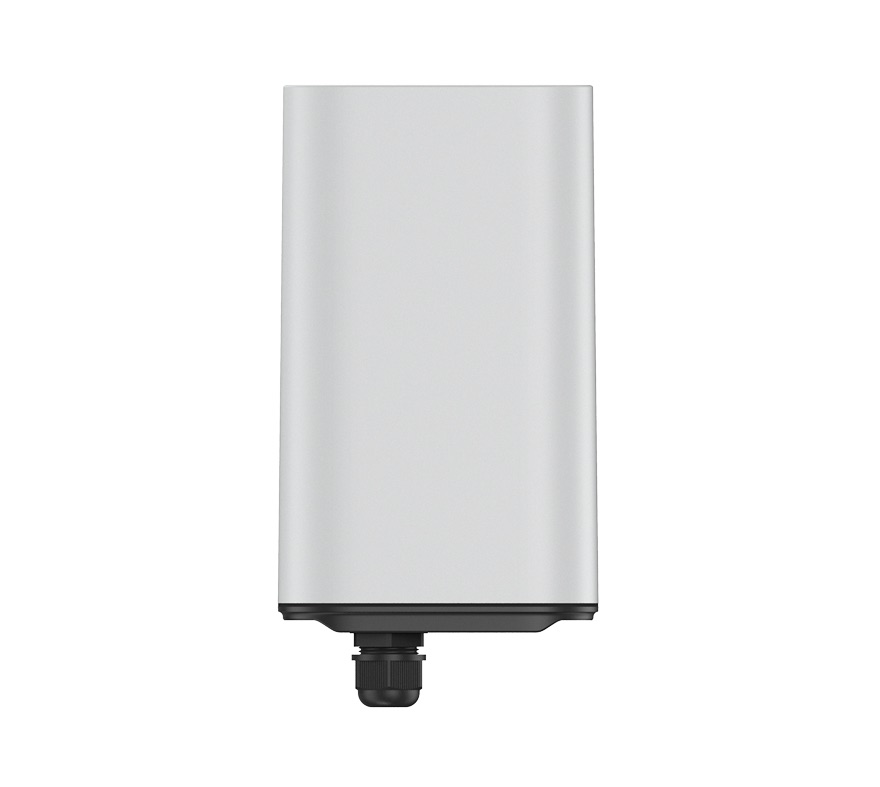
With the rise of Wewins 5G outdoor CPE routers, high-speed internet access is becoming more reliable, even in remote areas with limited coverage. As 5G technology continues to expand, it’s essential to understand the key differences between 5G outdoor CPE routers and indoor routers. This article explores these differences, helping users make informed decisions based on their specific needs.
Design and Deployment: Tailored for Different Environments
5G outdoor routers are designed to endure harsh weather conditions and provide stable performance in outdoor settings. The 5G ODU-C120, for example, features an IP65-rated outdoor enclosure, offering protection against dust, rain, and extreme temperatures. It also includes 6 kV lightning protection, making it suitable for areas prone to storms. This robust design ensures seamless global deployment with Sub-6GHz compatibility, supporting NSA & SA 5G modes.
On the other hand, indoor routers are designed for environments where weather resistance isn’t a concern. They are more compact and less rugged but can be limited by signal strength, especially in larger or multi-story buildings where physical barriers weaken the connection.
Performance and Coverage: Optimized for Range and Reliability
One of the significant advantages of 5G outdoor routers like the 5G ODU-C120 is their superior coverage. Equipped with a high-gain antenna system, including 8 omnidirectional and 2 directional antennas, this 5G outdoor CPE router extends signal coverage significantly, ensuring reliable connectivity over greater distances. This makes it ideal for areas with weak signal reception, such as rural locations or outdoor industrial deployments.
In contrast, indoor routers often rely on smaller antennas with limited range. They may struggle to maintain a stable signal over long distances or in areas with physical obstructions, such as walls and floors, reducing their overall effectiveness in large spaces.
Installation and Maintenance: Quick Setup with Outdoor Durability
A key feature of 5G outdoor routers is their PoE (Power-over-Ethernet) installation capability, making setup easy, even in locations where power outlets are limited. The 5G ODU-C120 can be pole-mounted or wall-mounted, providing flexibility in installation. The PoE feature reduces the need for additional power sources, making it ideal for industrial settings, rural broadband, or remote deployments.
Indoor routers typically have easier installation processes since power outlets and network connections are readily available. However, the setup for outdoor environments often requires extra equipment or expertise, particularly for larger installations.
Conclusion: Which Router is Right for You?
Choosing between a 5G outdoor CPE router and an indoor router depends largely on the deployment environment required by enterprise or project-based applications. For outdoor installations, industrial operations, or rural connectivity projects where weatherproofing, stable performance, and extended coverage are essential, the 5G ODU-C120 from Wewins provides a reliable, high-performance option for partners serving these markets. In contrast, for controlled indoor environments such as corporate offices, retail spaces, or residential deployments managed by integrators, an indoor router may be more suitable. Understanding the unique features and advantages of each type enables distributors, solution providers, and integrators to select the most appropriate device for their clients’ specific connectivity requirements.