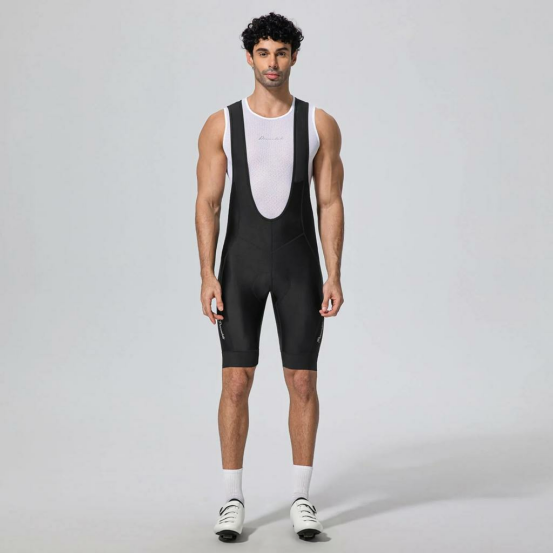
The journey into dedicated road cycling often begins with a simple bike and a desire to explore the outdoors. As mileage increases and the time spent in the saddle grows, the physical demands placed on the body become increasingly apparent. Many newcomers initially rely on casual athletic gear, only to find that traditional waistbands and thin, unpadded bottoms fail to provide the necessary support for extended rides. Transitioning to professional-grade equipment is a natural progression for any rider seeking to improve their endurance and overall comfort. Understanding how to properly utilize technical riding apparel transforms the experience of every pedal stroke, turning potential points of friction into a seamless connection between the athlete and the machine.
The Fundamental Shift From Casual Shorts To Specialized Bibs
The most significant upgrade any cyclist can make involves replacing standard shorts with garments designed specifically for the seated riding position. When riders transition from casual athletic bottoms to classic bib shorts, they immediately notice a change in how the garment is anchored. Instead of relying on a tight elastic waistband that digs into the abdomen and restricts diaphragmatic breathing, these pieces utilize a vertical suspender system. This design distributes the tension across the shoulders and upper back, ensuring the garment stays securely in place regardless of the intensity of the effort. By removing the restriction around the waist, the rider gains a greater range of motion and a more stable platform that does not require constant adjustment during a long day on the road.
Achieving The Perfect Second Skin Fit
When you first pull on a new pair of technical shorts, the fit should feel markedly different from any other type of pants. These items are engineered to contour perfectly to the body when in a crouched riding position. While standing upright, you may notice that the fabric pulls slightly against the torso or shoulders. This is entirely intentional and necessary for optimal performance. Once you lean forward to grip the handlebars, the material relaxes and smooths out across the thighs and lower back, creating a aerodynamic profile that eliminates sagging. Ensuring the fabric sits flush against the skin without loose folds is critical, as any excess material can bunch up and create friction points that lead to severe chafing over time. A correct fit should feel supportive and compressive, providing a gentle embrace that aids in muscle recovery and stability.
Understanding The Purpose Of The Padded Chamois
The internal padding, known as the chamois, serves as the most important component of the garment. It acts as a buffer between the delicate soft tissues of the body and the hard surface of the saddle. High-performance options, such as the men’s core bib shorts, feature multi-density foam that absorbs road vibrations and redistributes pressure away from the sensitive perineal area. For the beginner, it is helpful to understand that thicker padding does not always equate to better comfort. Advanced engineering focuses on placing the densest material directly beneath the sit bones where pressure is highest, while tapering the edges to prevent unnecessary bulk. This strategic distribution ensures that the padding remains unobtrusive while pedaling, effectively shielding the rider from the harsh reality of long hours on the road.
Adhering To The No Underwear Rule
A common point of confusion for those new to cycling involves what to wear beneath these garments. The golden rule is that nothing should be worn between the body and the padded insert. Wearing cotton underwear creates a separate layer of fabric that inevitably bunches, retains sweat, and promotes bacterial growth. The chamois is designed to sit directly against bare skin, allowing moisture-wicking fabrics to transport perspiration away from the body as intended. By keeping the interface clean and singular, the rider avoids the primary causes of saddle sores and discomfort. Embracing this practice may feel unusual at first, but it is the most effective way to harness the full potential of the engineering built into these pieces.
Maintenance Practices For Longevity
Technical cycling gear represents a significant investment, and proper care is essential to maintain its functional benefits over many seasons. Harsh detergents and high-heat drying cycles are the enemies of advanced synthetic fibers like elastane and nylon. These chemicals and temperatures can destroy the elastic memory of the fabric, causing the garment to lose its compressive quality and support. It is best to wash these items in cool water with mild, athletic-specific soap. Using a dedicated mesh laundry bag provides an extra layer of protection, preventing the straps from getting tangled or snagged in the washing machine agitator. Air drying is always the preferred method, as it preserves the integrity of the chamois and prevents the fabric from becoming brittle or misshapen.
Refining Your Riding Experience With Technical Apparel
Choosing the right equipment serves as the bridge between recreational interest and serious athletic commitment. By understanding the nuances of how technical clothing should fit and function, riders empower themselves to tackle longer routes with confidence. Przewalski Cycling prioritizes this connection, designing apparel that bridges the gap between professional-grade performance and accessible, everyday durability. Their commitment to ergonomic construction and high-quality materials ensures that every cyclist can find the support they need to focus entirely on their cadence and power. For those ready to explore the full range of options, visiting the Przewalski Cycling website provides a deeper look into how these designs are crafted to withstand the rigors of the road. Investing in the right foundation allows every enthusiast to enjoy the sport to its fullest extent, knowing that their gear is designed to provide comfort and performance from the first pedal stroke to the final mile of the journey.