The Indian dental implant market is growing at an amazing rate, and by 2033 it is expected to be worth more than USD 500 million. This growth is based on a major change in the population: India has one of the largest ageing populations in the world right now, and the 60+ age group is growing faster than ever. A lot of older people are losing their teeth because of this “silver surge.” This is called edentulism, and it is a big problem right now. In addition to being necessary for health reasons, the growing disposable income of the urban middle class has changed dental implants from an expensive optional procedure to a common dental service that aims to improve quality of life.
The demand for implants in India is driven by the shift towards “biologically driven” restoration. Titanium is still the most common material used in implants, but zirconia (ceramic) implants are becoming more popular because they look better and are better for the body. Modern implantology in India is no longer just about filling a gap. To make sure that the procedure is successful in the long term, it now uses high-tech dental tools like 3D imaging and AI-driven surgical guides. This move towards technical accuracy is important for a market that is becoming more aware of both functional and aesthetic results.
MDfA’s Global Standards and Strategic Infrastructure
The Indian market is moving from a “price-conscious” phase to a “quality-conscious” phase, which makes international business platforms even more important. Messe Düsseldorf for Asia (MDfA) is the main way to make this change happen. MDfA helps Indian practitioners deal with the complexities of modern implantology by bringing world-class engineering and global regulatory standards right to their doorstep. Because the organisation is dedicated to quality, the local community has access to the same level of technology as clinics in Europe or the United States.
MDfA encourages a strong flow of information between global manufacturers and regional dental service providers through its large MEDICAlliance network. These platforms are very important for closing the “training gap” in the industry because they give dentists a place to learn all the details of digital implant workflows, from the first intraoral scan to the last prosthetic placement. By bringing these resources together, the organisation gives Indian clinics the tools they need to compete on a global scale, bringing in patients from other countries who want high-quality care at a lower cost.
FAMDENT Hyderabad 2026: The Centre of Implant Innovation
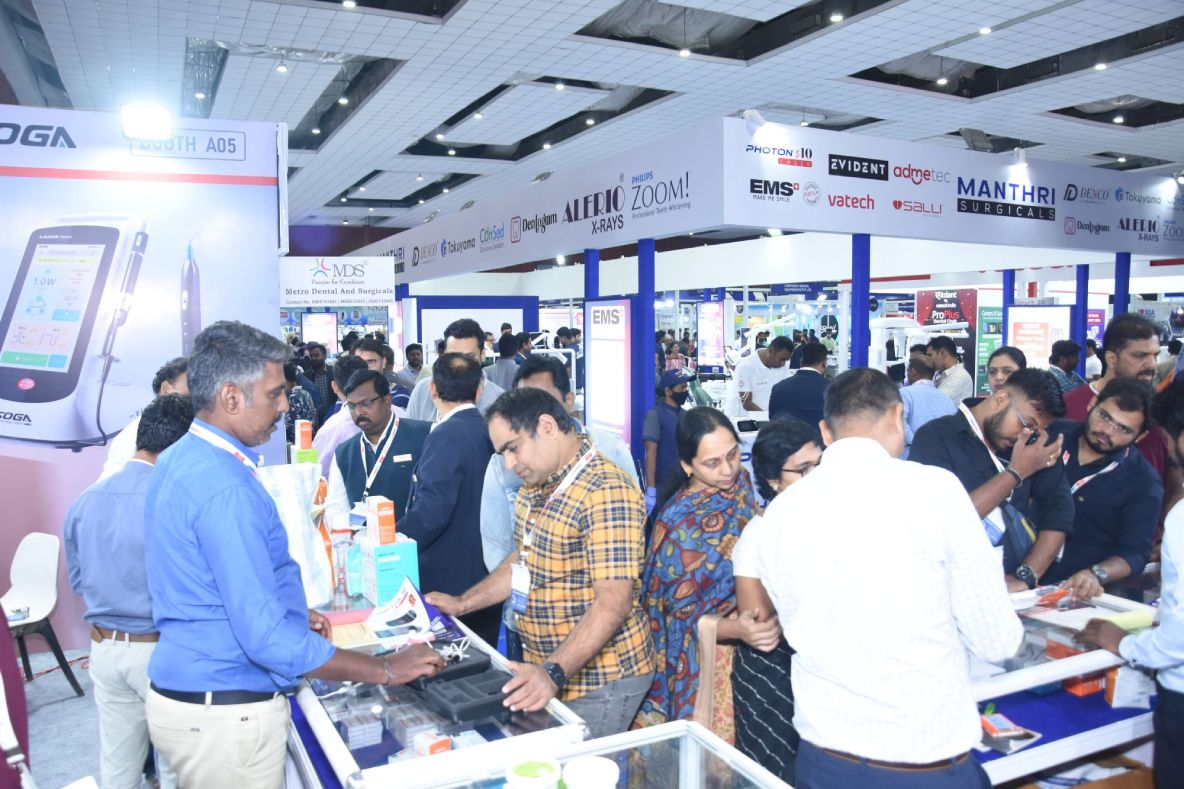
The FAMDENT Exhibition Hyderabad, which will take place at the HITEX Exhibition Centre on February 7–8, 2026, is an important event for the implant industry. As the biggest dental trade show in South India, it draws in over 120exhibitors, many of whom focus on the hardware and software needed for advanced implantology. This event is more than just a trade show for professionals in the area; it’s a place where they can learn in real time about the future of their field.
The 2026 show will be very exciting because it will have “Live Implant Demos” and hands-on workshops. People who go to these sessions can try out the newest dental tools, like piezo-electric surgical units and ultra-low dose CBCT scanners. By using these tools at the HITEX Exhibition Centre, doctors can learn more about how to reduce patient trauma and speed up healing times. These are important things that can make the overall patient experience better and raise the acceptance rate for implant procedures.
Using dental tourism and technology to boost growth
India’s position as a major destination for dental tourism is a big reason why the implant market is growing. The “price advantage” draws international patients to India. A premium implant that costs $5,000 in the West is available for $800 to $1,200 in India, using the same global brands. The flow of foreign money into India has encouraged Indian clinics to spend a lot of money on high-quality dental equipment. This has started a “virtuous cycle” of technological upgrades that also help local patients.
The 2026 exhibition highlights this trend by showing off integrated digital workflows that make “Immediate Loading” possible. This is when a temporary crown is put on the same day as the implant surgery. You can only get this level of efficiency with high-speed intraoral scanners and chairside milling units. These tools are necessary for a modern dental service to meet the needs of today’s busy, modern consumer. By using these technologies, Indian dentists are putting themselves in a position to be world leaders in high-precision, efficient restorative care.
In conclusion
India has become an important global market for dental implants because of a unique mix of demographic need, economic growth, and a quick adoption of digital technology. Dental professionals can stay at the top of this fast-growing field by taking part in MDfA’s strategic platforms and checking out the newest developments at the FAMDENT Exhibition Hyderabad 2026. All industry professionals can visit the official MDfA exhibition portal to learn how to leverage these global connections to achieve success in their respective fields.