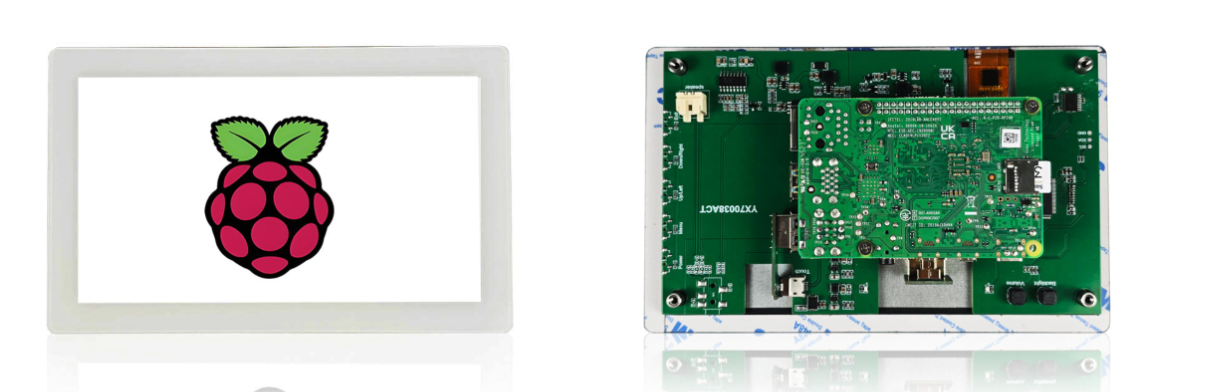
Selecting the appropriate LCD display driver board can be a critical step in ensuring optimal performance and compatibility for various display projects. Whether for industrial applications, DIY electronics, or multimedia terminals, the choice of an LCD driver board directly impacts the quality, responsiveness, and functionality of the connected display. This article explores key considerations to guide the selection process, with particular attention to the Raspberry Pi display driver board solutions available in the market, including offerings by the brand Yousee.
Understanding the Role of an LCD Display Driver Board
An LCD display driver board acts as an interface between the display panel and the host device, converting signals and managing the precise driving of the LCD. It ensures that the display receives the correct voltage, timing, and signal format to function properly. For devices like the Raspberry Pi, which are widely used in embedded systems and hobbyist projects, a dedicated Raspberry Pi display driver board facilitates communication with larger or higher-resolution displays beyond the official Raspberry Pi screens.
When choosing an LCD display driver board, it is essential to verify compatibility with the display panel’s interface (such as LVDS, eDP, MIPI, or RGB), resolution, and voltage requirements. Additionally, the driver board should support the signal output formats of the host device. For Raspberry Pi projects, a specialized driver board that supports the Pi’s signal protocols can significantly simplify integration and improve display performance.
Key Features to Evaluate When Selecting a Driver Board
Several technical factors must be assessed to find the right lcd display driver board:
Interface Support: Ensure the driver board supports the LCD panel’s interface type and the host device’s output signals. For Raspberry Pi, this means compatibility with HDMI, DPI, or DSI interfaces depending on the display.
Resolution and Refresh Rate: The board should support the native resolution and refresh rate of the LCD to avoid issues like flickering or reduced image quality.
Power Supply Requirements: Confirm the driver board can provide or regulate the required voltages for the LCD panel, which is crucial for stable operation.
Additional Features: Some driver boards include backlight control, touch screen interface support, or multiple input options, adding flexibility for complex applications.
Yousee, a notable brand in this space, offers Raspberry Pi display driver boards designed to bridge the gap between the Pi and various mainstream LCD interfaces. Their driver boards enable connection to larger, higher-resolution, and interface-rich displays, catering to use cases such as industrial control panels, smart home devices, and multimedia terminals.
Making an Informed Choice for Your Display Needs
Choosing the right lcd display driver board involves matching technical specifications with project requirements. For Raspberry Pi users, opting for a specialized Raspberry Pi display driver board like those from Yousee can reduce compatibility challenges and enhance display quality. It is advisable to carefully review the display panel’s datasheet, the host device’s output capabilities, and the driver board’s supported features before making a purchase.
Ultimately, a well-matched driver board ensures stable signal conversion, optimal image rendering, and reliable operation, enabling the full potential of the LCD display in any application.
Selecting the Optimal Driver Board for Reliable and High-Quality Displays
By understanding the technical demands of the LCD panel and the host device, and by leveraging specialized solutions such as the Yousee Raspberry Pi display driver board, users can effectively overcome display integration challenges. Careful evaluation of interface compatibility, resolution support, and power requirements leads to selecting an LCD display driver board that meets both performance and application needs, resulting in a dependable and high-quality visual experience.